Crowdstrike's massive cyber outage 1-year later: lessons enterprises can learn to improve security
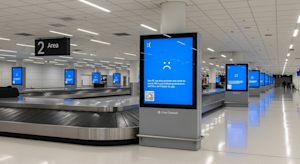
The CrowdStrike outage that occurred on July 19, 2024, was a defining moment for both the company and the cybersecurity industry as a whole. Now, one year later, the impact of the incident is still felt, but it has also led to significant transformation and growth, driven by the lessons learned during those 78 minutes of downtime.
CrowdStrike’s President, Mike Sentonas, reflected on the one-year anniversary of the outage in a blog post, highlighting the company’s journey towards enhanced resilience. The outage, caused by a faulty Channel File 291 update, resulted in the crash of 8.5 million Windows systems worldwide and significant financial losses for many organizations. The incident served as a wake-up call for the industry, showcasing the vulnerabilities inherent in modern infrastructure.
Steffen Schreier, from Telesign, emphasized that the incident was a stark reminder of the risks associated with rapid, cloud-native delivery. Even companies with robust practices and protocols in place can be vulnerable to internal failures that have global consequences. The incident exposed fundamental quality control gaps that need to be addressed to prevent similar incidents in the future.
CrowdStrike conducted a root cause analysis that revealed a cascade of technical failures, including issues with their IPC Template Type, runtime array bounds checks, and Content Validator. These failures highlighted the importance of implementing basic CI/CD protocols and testing updates in sandboxes before deploying them in production.
CrowdStrike’s CEO, George Kurtz, took ownership of the incident and emphasized the company’s commitment to building a stronger, more resilient platform. The company introduced a new Resilient by Design framework, focusing on foundational, adaptive, and continuous improvements to their security platform. Key implementations included Sensor Self-Recovery, a New Content Distribution System, and Enhanced Customer Control features.
The incident also prompted a broader conversation about vendor dependencies and the need for a more rigorous evaluation of vendor security practices. Organizations now prioritize resilience in their security architecture, implementing fail-safes and automatic rollback paths to prevent systemic failures.
Looking ahead, the industry is exploring the role of AI in enhancing security measures and mitigating risks associated with infrastructure decisions. CrowdStrike is investing in initiatives like hiring a Chief Resilience Officer, Project Ascent, and collaborating with Microsoft on the Windows Endpoint Security Platform to further strengthen their security capabilities.
In conclusion, the CrowdStrike outage of July 19, 2024, was a catalyst for industry-wide transformation and a deeper understanding of the importance of resilience in cybersecurity. The incident’s legacy will continue to shape the way organizations approach security and vendor relationships, ensuring that the protectors themselves are equipped to prevent harm. The lessons learned from this incident will guide the industry towards a more secure and resilient future.