Custom EHR Software Development Guide
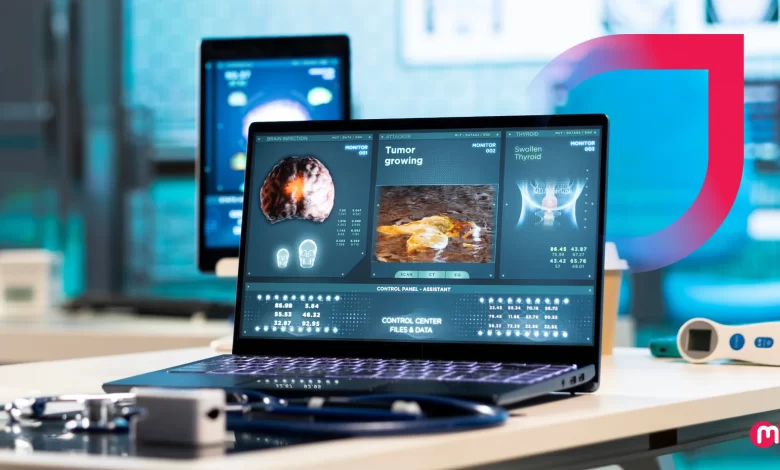
Custom EHR software is an essential tool for healthcare providers looking to streamline clinical workflows, ensure regulatory compliance, and deliver better patient care through personalized features. Building a custom EHR system allows for unique workflows, patient journeys, and compliance needs to be addressed. To build a scalable, secure, and future-ready system tailored to specific requirements, it’s crucial to understand the benefits of EHR, key features, the development process, the tech stack, cost, timeline, and compliance.
Electronic Health Record (EHR) software is a digital version of a patient’s paper chart that optimizes processes to securely store, retrieve, and share patient information. The ultimate goal of an EHR system is to help organizations make informed decisions, coordinate care, and improve patient outcomes.
There are three main types of EHR systems based on deployment types: on-premises, cloud-based, and remotely hosted/hybrid. Each type has its pros and cons, catering to different needs and preferences of healthcare organizations.
Key components of EHR software include patient information management, clinical documentation, lab and imaging data, appointment scheduling, electronic prescribing, billing and revenue cycle management, patient portals, and admin tools. These components work together to manage patient health information effectively.
Building a custom EHR system provides various benefits, such as aligning technology with care delivery, ensuring data ownership and privacy, creating a seamlessly integrated ecosystem, scalability and flexibility, cost savings over time, and personalized user experience. Custom EHR software development is a long-term investment that offers control, flexibility, and long-term value.
When choosing a tech stack for building EHR software, it’s essential to consider frontend and backend languages and frameworks, mobile app technologies, databases, cloud platforms, API protocols, interoperability standards, AI and ML tools, and healthcare compliance requirements.
The development team required for building EHR software includes a project manager, business analyst, UI/UX designers, frontend and backend developers, mobile app developers, QA testers, and DevOps engineers. These team members work together to ensure the successful development of a custom EHR system.
An ideal EHR system should include features such as patient profiling, automated data acquisition, healthcare professional dashboard, scheduling and reminders, analytics and reporting, medication information resources, and telehealth capabilities. These features enhance the functionality and usability of the EHR system.
The process of building an EHR system involves defining goals and objectives, planning architecture and compliance, selecting the right tools, designing a user-friendly interface, starting with an MVP, securing the system, testing, launching, and supporting it, and iterating for continuous improvement.
Regulatory compliance is crucial when building EHR software, with regulations like HIPAA, GDPR, HITECH, HL7, and FHIR needing to be considered. Ensuring compliance with these regulations is essential for protecting patient data and maintaining legal standards.
The cost of developing custom EHR software can range from $50,000 to $500,000 or more, depending on the complexity of the project, required features and integrations, data migration and integration, training, and ongoing maintenance costs.
The timeline for building an EHR system can vary from 6 months to 2 years or longer, depending on the project’s complexity, feature set, compliance requirements, and team size. It’s essential to plan and execute each stage of development carefully to ensure a successful outcome.
Common challenges in building EHR software include interoperability issues, regulatory compliance, data migration and integration, scalability and performance, usability and user experience, workflow disruptions, and staff resistance and training. Overcoming these challenges requires careful planning, testing, and ongoing support.
Real-world EHR success stories, such as the Boston Healthcare for the Homeless Program and the UK Government’s EHR initiative, illustrate the benefits of implementing custom EHR systems tailored to specific workflows, specialties, and patient populations. These success stories highlight the positive impact of custom EHR solutions on care coordination, health outcomes, and care delivery.
Choosing the right custom EHR software development partner involves looking for a team with experience in healthcare software development, a focus on user experience, a strong understanding of data security and privacy regulations, a commitment to long-term support and scalability, and positive client feedback. Working with a reliable and experienced partner is essential for the successful development of a custom EHR system.
In conclusion, building a custom EHR system requires careful planning, collaboration with the right development team, adherence to regulatory compliance, and a focus on user experience. By following best practices, addressing key challenges, and leveraging success stories, healthcare organizations can develop a customized EHR solution that meets their unique needs and enhances patient care.