Daylight saving time 2026: When to ‘spring forward’ and more
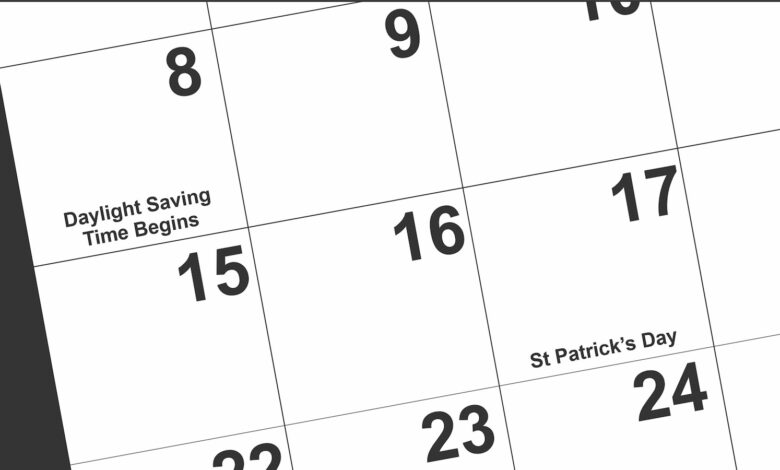
As we approach the start of daylight saving time this weekend, it’s time to prepare for the annual tradition of setting our clocks forward by one hour. This adjustment allows us to make the most of the longer days and enjoy more sunlight in the evenings.
Daylight saving time, not daylight savings time as commonly mispronounced, is a practice that has been in place for over a century. It was established by federal law to differentiate between standard time and the period when we adjust our clocks to optimize daylight hours.
In 2026, daylight saving time will begin on March 8 at 2 a.m. local time and will continue until November 1. This change aims to save energy and make the most of natural light during the day. Since 2007, the United States has observed daylight saving time on the second Sunday in March.
When we “spring forward” in the spring, we lose an hour of sleep as the clocks shift from 2 a.m. to 3 a.m. local time. This disruption in our sleep schedule can have an impact on our health, increasing stress hormones and potentially raising the risk of heart attacks and strokes, especially in women and older adults.
While most states, the District of Columbia, and the Navajo Nation follow daylight saving time, some states and territories like Arizona (excluding the Navajo Nation), Hawaii, American Samoa, Guam, the Northern Mariana Islands, Puerto Rico, and the U.S. Virgin Islands do not observe this practice.
There have been ongoing debates and proposals to adjust or eliminate daylight saving time, such as the recent Daylight Act of 2026, which suggests modifying clocks by only half an hour. However, for now, the tradition of changing our clocks twice a year will continue.
To mitigate the health impacts of daylight saving time, experts recommend making small adjustments like going to bed earlier, maintaining a consistent sleep schedule, and avoiding alcohol. Getting natural light exposure in the morning and engaging in outdoor activities can help stabilize your circadian rhythm and minimize the effects of the time change.
As we prepare to “spring forward” this weekend, let’s be mindful of our sleep habits and make the necessary adjustments to ensure a smooth transition into daylight saving time.