Denver Water faces eminent domain restrictions
Colorado has some of the strictest rules regarding governments acquiring private property through eminent domain, which could pose a challenge for the Denver Broncos in their quest to build a new stadium in the Lincoln Park neighborhood.
The Colorado Constitution ensures fair compensation for property acquired for public use and allows owners to contest the public nature of the use. The statutes were further tightened in 2006 to prohibit the use of eminent domain for economic development purposes or to increase tax revenues.
In essence, any land taken must be for legitimate public purposes, not to benefit a private entity through indirect means.
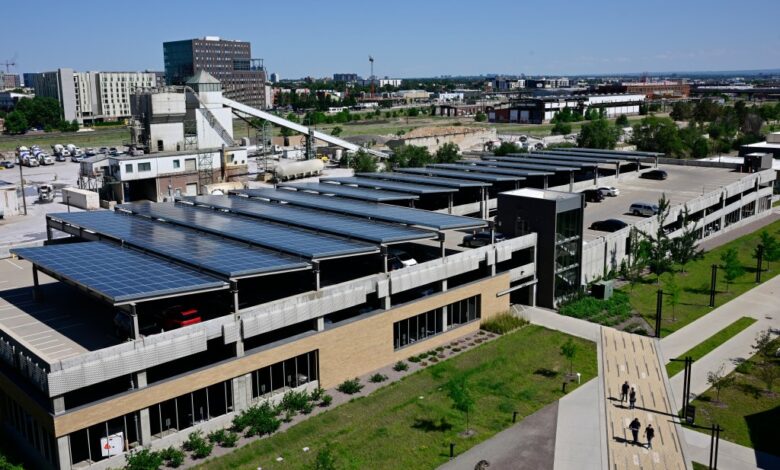
Denver Water has issued “notices of intent” for nearly two dozen properties near its 36-acre campus next to Burnham Yard, a 58-acre site owned by the Colorado Department of Transportation. This site is being considered for a new football stadium by the Denver Broncos.
However, additional land is required for surrounding developments like restaurants, hotels, and housing, as sports teams now seek to control these assets for profit, necessitating a larger area than before.
Property owners are reacting differently to these notices, with some seeking appraisals to understand the value of their properties. Denver Water’s intentions for the land remain vague, causing uncertainty among owners.
The Broncos have been exploring various locations for a new stadium, with Burnham Yard emerging as a leading candidate. They have acquired several parcels near the site, indicating a strong interest in the location.
Discussions between Denver Water and the Broncos regarding the acquisition of land have been ongoing for over a year, with Denver Water emphasizing the voluntary nature of its purchase requests.
Legal experts suggest that the notices of intent to acquire could lead to formal eminent domain processes if owners refuse initial offers, prompting appraisals to determine fair values.
While most properties are expected to be acquired through negotiation, some owners may resist, leading to potential legal battles over fair compensation.
The potential acquisition of land by Denver Water to replace parcels sold to the Broncos raises questions about the public purpose of such actions, as Colorado law prohibits eminent domain for private benefit.
The courts may be called upon to decide whether the land acquisitions by Denver Water are justified and separate from the sale to the Broncos, with conflicting views on the legality of the proposed scheme.
Colorado’s stringent standards on eminent domain were implemented following a controversial case involving the Arvada Urban Renewal Authority, leading to a legislative response in 2006 to safeguard private property rights.
Denver Water’s actions in acquiring land near Burnham Yard for potential stadium development have raised concerns about the use of eminent domain for private gain, prompting scrutiny from property owners and legal experts.
As negotiations and appraisals continue, the fate of the proposed stadium project and its impact on property owners remain uncertain, with potential legal challenges looming over the public use and fair compensation aspects of the acquisitions.
The evolving situation highlights the complexities of land development and eminent domain laws in Colorado, underscoring the need for careful consideration of public interest and private property rights in such projects.
Original Publication Date: