Dextrocardia: Catherine O’Hara death highlights rare heart condition
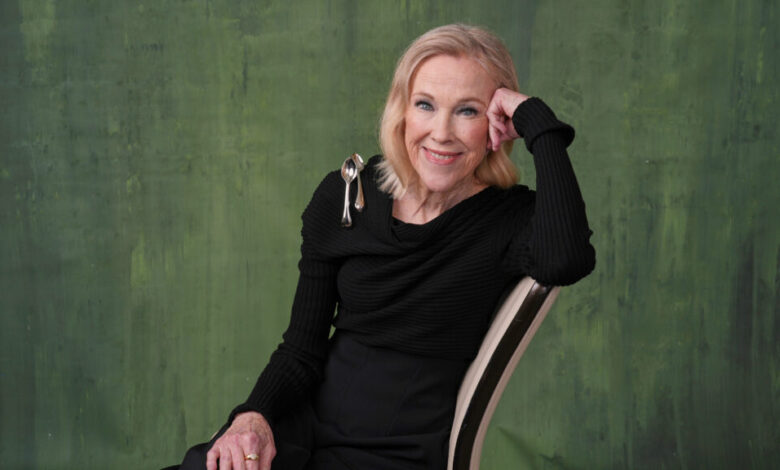
The recent passing of Catherine O’Hara, known for her iconic roles in “Home Alone” and “Schitt’s Creek,” has brought attention to congenital heart conditions, specifically the rare condition known as dextrocardia. This condition, where the heart and other organs are mirrored in their positioning, affects 1 in 10,000 individuals.
Congenital heart defects are the most common malformation in human development, affecting 1 in 100 newborns. Despite its prevalence, many cases go undiagnosed until later in life. O’Hara, who tragically passed away at the age of 71, only discovered she had dextrocardia with situs inversus during a routine medical examination.
Experts in congenital heart disease emphasize that individuals with dextrocardia may not experience any symptoms until the condition is accidentally discovered. Treatment options for dextrocardia vary, ranging from regular monitoring to surgical interventions.
Individuals with dextrocardia may also be at risk for other health complications such as torsion of the intestines, bronchiectasis, and ciliary dyskinesia. Additionally, dextrocardia can be associated with other congenital heart defects, such as transposition of the greater arteries, leading to arrhythmias and heart muscle weakness.
While most congenital heart defects are now detected in infancy or childhood, some cases may go undetected until adulthood. Advances in imaging technology, such as echocardiograms, have significantly improved early detection rates. Specialists in adult congenital heart disease recommend seeking medical evaluation if any heart-related concerns arise.
The field of adult congenital heart disease has seen significant advancements in recent years, allowing for better management and treatment options. It is essential for individuals with congenital heart defects, including dextrocardia, to receive regular monitoring and follow-up care.
In conclusion, awareness of congenital heart conditions, like dextrocardia, is crucial for early detection and appropriate management. Seeking medical advice and monitoring for any potential heart-related issues is essential for individuals with congenital heart defects.