Digital ID in the Cradle of Liberty (My Last EconLog Post)
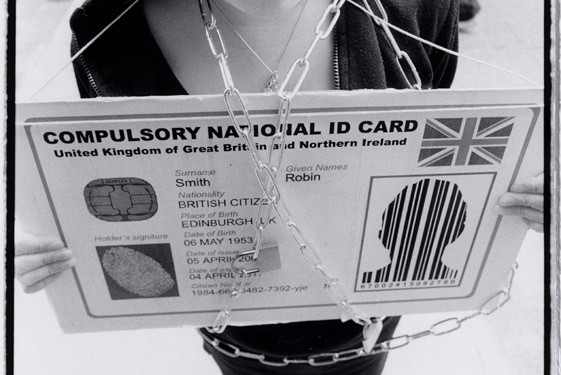
The announcement made by the British prime minister’s office on September 26 regarding the implementation of a new digital ID scheme has sparked debates and discussions about the implications of such a move. The new scheme aims to combat illegal working while also streamlining access to essential government services. It has been declared mandatory for Right to Work checks, raising concerns about the potential risks and consequences of a digital ID system.
In light of this development, it is important to revisit the arguments against government-issued ID papers, as highlighted in a previous EconLog post titled “The Danger of Government-Issued Photo ID” from January 8, 2019. The concerns raised in that post remain relevant, with a particular emphasis on the increased dangers posed by digital ID systems. The ease of tracking and monitoring individuals through digital IDs raises the specter of government overreach and control, reminiscent of oppressive regimes like China’s social credit system.
The historical context of government ID cards is also worth considering, as exemplified by the case of Clarence Henry Willcock in post-WWII Britain. Willcock’s refusal to show his ID card and subsequent legal battles ultimately led to the abolition of national ID cards in 1951. This serves as a reminder of the importance of resisting encroachments on individual liberties, even in the face of seemingly benign justifications for official ID papers.
The proliferation of government services and the requirement for beneficiaries to possess official ID papers raise concerns about the costs of such systems in terms of privacy and personal autonomy. The centralization of personal information under a single digital ID further enhances the government’s surveillance capabilities and coercive powers, posing a threat to individual freedoms.
While proponents of digital ID systems argue for the convenience and efficiency they offer in accessing services, it is essential to consider the potential downsides of such schemes. The example of India’s experience with unique IDs demonstrates the risks of an ID obsession leading to further restrictions on personal freedoms.
In a free society, limitations on state powers are crucial to safeguarding individual liberties. The acceptance of compulsory ID cards in some countries highlights the ongoing struggle to balance security concerns with respect for civil liberties. The resistance to such measures in the past underscores the importance of remaining vigilant against encroachments on personal freedoms.
As discussions around digital ID systems continue to evolve, it is vital to critically assess the implications of such schemes on privacy, autonomy, and government control. The lessons from history and the ongoing debates about the balance between security and liberty should inform the decisions and policies regarding digital ID implementation.