Dos Equis revives ‘Most Interesting Man’ ads as beer sales slump
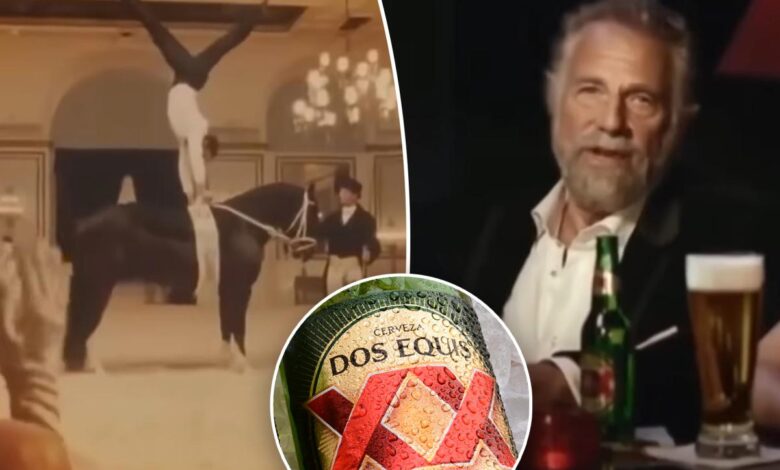
Dos Equis brought back its iconic “Most Interesting Man” ad campaign on Monday with the original actor in an effort to boost beer sales.
After a decade-long absence, Jonathan Goldsmith reprised his role as the character in a new 60-second ad that premiered during the College Football Championship on ESPN.
The ad humorously acknowledges the character’s disappearance from pop culture with a narrator stating, “For 10 years, he’s been uninteresting.”
He comes back to life after enjoying a Dos Equis beer, saying, “I don’t always drink beer, but when I do … I think I prefer Dos Equis!”
Alison Payne, Dos Equis’ chief marketing officer for the US, cited low consumer confidence and inflation as factors impacting the brand’s performance.
With a significant portion of Dos Equis’ customers being Hispanic, Payne hinted at the challenges faced by brands with a large Hispanic customer base due to reduced beer consumption amid President Trump’s immigration policies.
Last year, Dos Equis experienced an estimated 8% decline in retail sales, worse than competitors Modelo and Corona. Payne expressed optimism that the return of the “Most Interesting Man” campaign would drive sales, as it had tripled volumes during its original run.
Major US beer brands have highlighted difficulties related to the immigration crackdown under the Trump administration. Constellation Brands, which owns Modelo and Corona, revised its sales and profit forecasts downward due to declining demand from Hispanic consumers.
Heineken, the parent company of Modelo and Corona, experienced multiple cuts in earnings forecasts as consumers purchased less beer. The company anticipates a decrease in full-year profits to be announced in February.
Payne expressed hope that the revival of “The Most Interesting Man” would boost Dos Equis’ sales and help the brand gain market share against competitors.
“When we retired the most interesting man, it didn’t actually disappear from the cultural conversation at all,” Payne noted, referring to the enduring popularity of the character in internet memes.