Douglas County invests in biochar plant, hoping to reduce wildfire risk
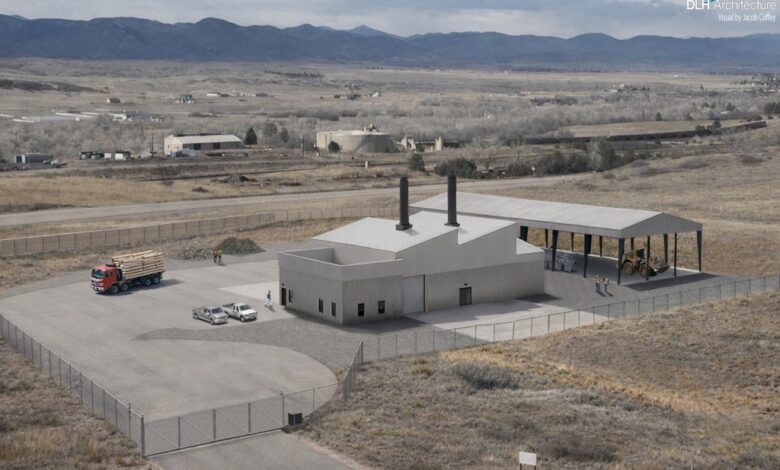
The biochar facility planned by Douglas County is set to process 10,000 tons of downed trees and woody waste annually. This will translate to a reduction of 10,000 tons of potential fuel that could feed Colorado’s future catastrophic wildfires. Dylan Williams, the wildfire mitigation and resilience coordinator for Douglas County, views biochar as a groundbreaking method of wildfire mitigation.
The $8 million biochar plant in Sedalia, which is soon to commence construction, is touted as the first county-owned facility of its kind in the country. Experts highlight that the process of producing biochar emits minimal harmful emissions, making it an attractive option for processing organic matter that land managers are keen to remove from forests in light of the warming climate.
Aside from reducing wildfire risk, the produced material offers additional benefits. Biochar can be utilized in farm fields, golf courses, and home gardens to enhance soil aeration and water retention. It also serves as a carbon store, preventing the release of planet-warming carbon dioxide through burning or methane if left to decompose in landfills.
“By converting woody debris and forest byproducts into biochar, we’re reducing wildfire risk, supporting responsible forest management, and creating a valuable resource that can improve soil health and support long-term environmental resilience,” stated Douglas County Commissioner Abe Laydon.
The county has been expeditious in getting the plant operational, with Carbon Dynamics partner Nash Leef noting the technology for large-scale biochar production is still emerging. The success of Douglas County’s initiative is being closely observed by other communities considering similar ventures.
One interested party is Aurora, which recently pledged $100,000 towards the biochar facility’s development. Aurora Water recognizes the importance of forest thinning and fuels-reduction projects to safeguard its drinking water sources.
Properly disposing of potential wildfire fuel remains a challenge, as highlighted by Aurora Water spokeswoman Shonnie Cline. The biochar plant presents a sustainable solution to managing woody material generated through forest health work.
Daniel Roberts, assistant director of Douglas County’s public works department, emphasized the strategic location of the plant near national forests at high risk of wildfires. The facility is poised to significantly reduce transportation costs associated with disposing of forest waste.
At an open house in Castle Rock, stakeholders expressed interest in Douglas County’s biochar aspirations. A.J. Opp from Knothead Tree and Lawn commended the initiative, noting the value of repurposing organic waste into a beneficial product.
The Growing Biochar Market
Although biochar as a material has historical roots, industrial-scale production is a more recent development. Professor R. Scott Summers from the University of Colorado Boulder highlighted the advancements in biochar production methods and equipment.
While Douglas County’s facility will be municipally operated, there are private biochar plants in the state, such as Biochar Now in Berthoud and Colorado Biochar Resources in Pueblo. The sector is evolving rapidly, with projections indicating substantial growth in the biochar industry.
Biochar has diverse applications, including the production of byproducts like bio-oil and wood vinegar. Colorado State University outlines the benefits of biochar in reducing greenhouse gas emissions, enhancing soil quality, and aiding in water and nutrient cycling in agriculture.
The economic potential of biochar sales is seen as a positive outcome for municipal sustainability efforts, with Douglas County aiming to achieve self-sufficiency through biochar revenue. The facility is anticipated to break even within a decade, generating revenue from biochar sales to reinvest in wildfire mitigation programs.
Despite the optimistic outlook, Professor Summers cautioned about ensuring market demand aligns with production capacity. Douglas County is exploring commercial opportunities for biochar beyond individual homeowners, targeting horticultural, agricultural, and golf course industries.
Ensuring Sustainability and Environmental Impact
Williams affirmed the availability of consistent feedstock for the biochar plant, citing discussions with the U.S. Forest Service on sustainable waste disposal methods. The Forest Service’s ongoing Rampart Fuel Break project will supply ideal biomass for biochar production.
The facility’s design includes measures to minimize noise and environmental impacts on the surrounding community in Sedalia. Operation logistics, including biomass delivery and equipment usage, are structured to mitigate disruptions.
As the biochar plant nears completion, stakeholders like Opp anticipate a more sustainable approach to waste management. The prospect of repurposing wood chips into a valuable resource resonates with the goal of environmental stewardship.
For more Colorado news, subscribe to our daily Your Morning Dozen email newsletter.