ECB, BOE, Swiss National Bank, Riksbank interest rate decisions
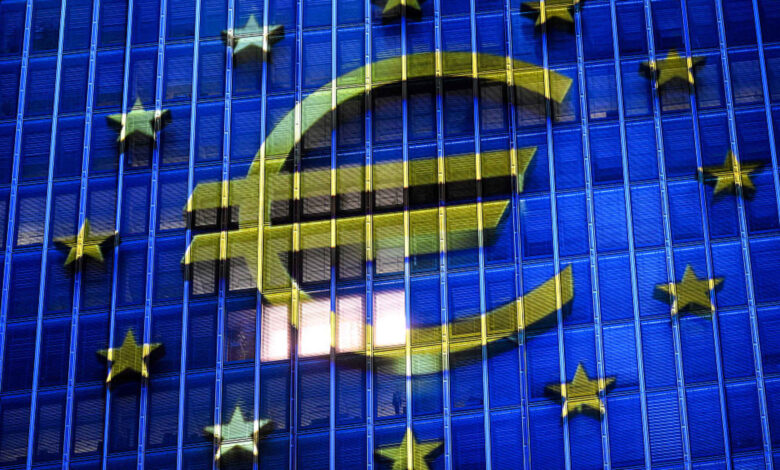
The recent conflict in Iran has had a significant impact on the economic outlook for Europe, particularly in terms of inflation and interest rates. Before the war began in late February, European central banks were expecting stable or falling interest rates, with inflation hovering around the 2% target. However, the conflict has disrupted this equilibrium, leading to uncertainty about energy supplies, economic growth, and consumer prices.
This Thursday, the European Central Bank (ECB), Bank of England, Sweden’s Riksbank, and Swiss National Bank are all scheduled to announce their latest monetary decisions. These central banks will also address how the ongoing war in Iran is likely to influence their policy decisions.
The ECB, for example, was not expected to change its benchmark interest rate even before the conflict started, as eurozone inflation had been close to the target. However, with the recent increase in inflation to 1.9% in February, the ECB may need to reassess its stance. ECB President Christine Lagarde had previously warned against complacency, and her caution now seems justified given the current situation.
Traders will be watching closely for any guidance from the ECB on how it plans to respond to the impact of the conflict on energy prices and inflation. While some analysts expect the ECB to maintain its deposit rate at 2%, they anticipate a more hawkish tone in light of heightened geopolitical uncertainty.
The Bank of England, on the other hand, had been considering a rate cut to ease borrowing costs for households and businesses. However, the fallout from the war has made a rate cut less likely, and the Bank is expected to maintain its rate at 3.75%. With the duration of the conflict uncertain, the Bank is likely to adopt a cautious approach until the situation becomes clearer.
Similarly, the Swiss National Bank is expected to keep its main policy rate unchanged at 0.00%, as Switzerland’s economy is less vulnerable to external shocks compared to its European counterparts. While there may be increased volatility in the Swiss franc, analysts do not expect significant intervention from the SNB.
In Sweden, the Riksbank is also expected to keep its main policy rate unchanged at 1.75%, despite weak growth and inflation data. Higher energy prices are expected to alleviate concerns about falling inflation expectations, leading to a flat rate path for the next few quarters.
Overall, the impact of the war on Iran has disrupted the economic outlook for Europe, forcing central banks to reassess their monetary policies. The coming days will provide valuable insights into how these central banks plan to navigate the uncertain economic landscape in the aftermath of the conflict.