EconLog Price Theory: Federal Reserve Revenue
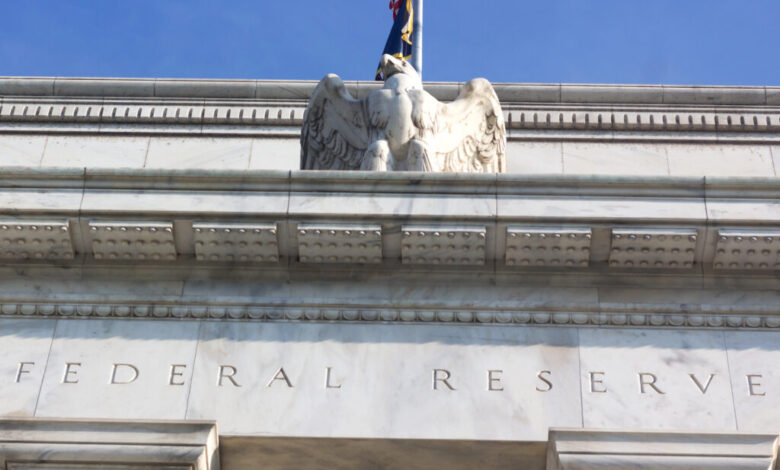
The U.S. Federal Reserve is a unique government agency that operates differently from most others in two key ways. Firstly, the Federal Reserve is responsible for determining its own operating budget and must remit any excess revenue to the U.S. Treasury. Secondly, unlike other government agencies, the Federal Reserve has some control over its revenue as it earns income from issuing money and holding interest-bearing assets. This ability to generate revenue through money creation can lead to potential conflicts of interest and incentive problems.
One of the main issues arising from the Federal Reserve’s structure is the absence of a residual claimant. Unlike a private firm where owners or shareholders would benefit from any excess revenue, the Federal Reserve’s surplus income does not belong to any individual or group. This lack of ownership can impact the Federal Reserve’s incentives when determining the size of its operating budget. Without a direct financial stake in the surplus revenue, there may be less incentive for the Federal Reserve to operate efficiently and cost-effectively.
Furthermore, the Federal Reserve’s ability to generate revenue through money creation can create an inflationary bias, even if maintaining price stability is an official policy objective. By issuing more money than necessary, the Federal Reserve can increase its short-term revenue, potentially leading to inflation and undermining its price stability mandate. This conflict between revenue generation and price stability highlights the challenges faced by the Federal Reserve in fulfilling its dual mandate effectively.
Even if the Federal Reserve remits excess revenue to the U.S. Treasury, this may not fully eliminate the incentive problems. The basic economic reasoning behind this is that the Federal Reserve’s ability to generate revenue through money creation is still present, regardless of where the surplus funds end up. This ongoing potential for conflict of interest and inflationary pressures remains a persistent challenge for the Federal Reserve, even with the remittance of excess revenue to the Treasury.
In conclusion, the unique structure of the U.S. Federal Reserve presents challenges in terms of incentives, revenue generation, and maintaining price stability. The absence of a residual claimant and the ability to generate revenue through money creation can create conflicts of interest and potentially lead to inflationary biases. Addressing these issues requires careful consideration of the Federal Reserve’s institutional arrangements and policy objectives to ensure effective monetary policy implementation.