ERs shouldn’t separate new moms in crisis from their babies
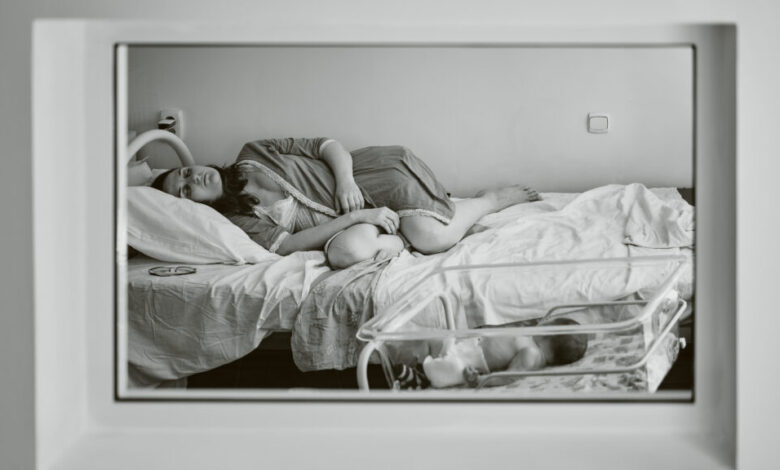
A young mother arrived at the triage area of the emergency room, clutching her 6-week-old baby, anxiety etched on her face. She had little support at home and was overwhelmed with the responsibility of caring for her newborn all by herself. Fearing for her own safety, she reached out to her doctor for help, as she had been advised to do in such a crisis.
Statistics show that up to 1 in 5 women experience mental health or substance use disorders during pregnancy or in the postpartum period, but many do not seek the help they need. This brave patient did seek help, and her doctor, concerned for her well-being, directed her to the emergency room. This was the standard protocol for situations like hers, but little did she know what was in store for her.
As a technician in the emergency room, I was tasked with following the standard procedures for patients in crisis. This involved changing her into a “psych gown” to prevent self-harm, removing her personal items, including her cellphone, and separating her from her baby, who was taken to the pediatric unit. This separation, though common practice, can be incredibly distressing for both mother and baby, as research has shown the detrimental effects of such separation on stress levels.
The mother, already in a fragile state, was further distressed by the sudden separation from her baby and the enforced introduction of formula feeding instead of breastfeeding. This decision went against her wishes and disrupted the bond she had worked hard to establish with her child. It was a situation that stripped away her autonomy and added to her feelings of inadequacy as a mother.
Furthermore, the lack of continuity of care added to her anxiety. The medical staff looking after her baby were strangers to her, adding to her sense of isolation and vulnerability. In a moment of despair, she confided in me, expressing regret for seeking help in the emergency room.
This incident made me question the effectiveness of the current protocols in place for postpartum patients in crisis. While the hospital’s actions were well-intentioned, the emotional impact on the mother was severe. I believe there is a need for a more compassionate and holistic approach to caring for women in such situations.
Instead of relying solely on emergency room interventions, I advocate for better integration of mental health services into perinatal care. Providers should be trained to identify and address mental health issues, and patients should have direct access to mental health specialists. Insurance companies should also cover mental health services to prevent crisis situations that lead to emergency room visits.
In cases where emergency care is necessary, hospitals should have protocols in place to keep mothers and infants together in a safe and supportive environment. This may require staffing adjustments and shared spaces for mother-baby care, but the benefits of such an approach far outweigh the challenges.
In conclusion, a more patient-centered and empathetic approach is needed in the care of postpartum women experiencing mental health crises. By addressing the gaps in care and providing support at all levels, we can ensure that mothers receive the help they need in a compassionate and effective manner.