Estate of Henrietta Lacks settles with Novartis over immortal cells
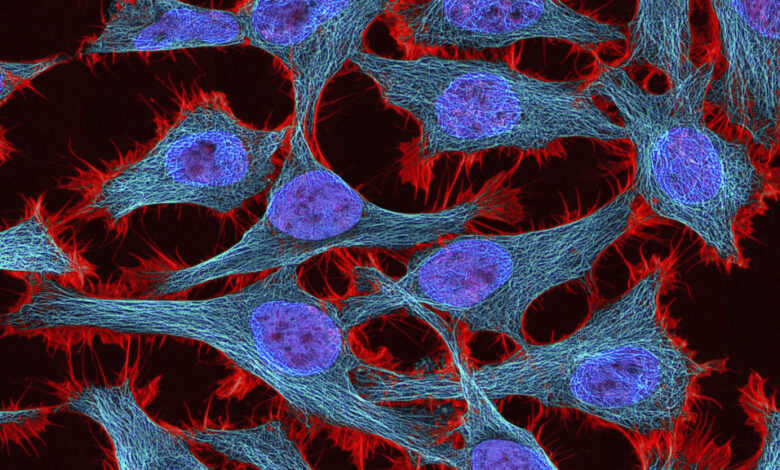
Novartis, one of the world’s largest pharmaceutical companies, has recently settled a lawsuit with the estate of Henrietta Lacks. The lawsuit alleged that the company unjustly profited from Lacks’ cells, which were taken without her knowledge in 1951 and used in labs for medical advancements, including the development of the polio vaccine.
The details of the settlement, finalized in federal court in Maryland, have not been made public. In a joint statement, the Lacks family and Novartis expressed their satisfaction with resolving the matter outside of court, without further elaboration.
This settlement marks the second agreement in lawsuits filed by Lacks’ estate against biomedical companies for exploiting Black patients like Lacks. The lawsuit sought the full amount of net profits obtained by Novartis from commercializing the HeLa cell line, which was cultivated from what was described as “stolen cells” taken from Lacks.
In 1951, doctors at Johns Hopkins Hospital took cells from Lacks’ cervical tumor without her knowledge. These cells, known as HeLa cells, were the first human cells to continuously grow and reproduce in lab dishes, leading to significant advancements in medical research. Despite the immense impact of HeLa cells on science and medicine, the Lacks family was never compensated for their use.
While Johns Hopkins stated that they did not profit from the cell lines, many companies have patented ways of using them. In a separate settlement in 2023, the Lacks estate reached an agreement with Thermo Fisher Scientific Inc. over similar claims of unjust enrichment.
There are still pending lawsuits against Ultragenyx Pharmaceutical and Viatris, with the potential for additional complaints to be filed in the future. Lacks, a poor tobacco farmer from Virginia, became the unwitting source of groundbreaking scientific research after her cells were taken without her consent.
The story of Henrietta Lacks and the impact of her cells on medical science were detailed in the bestselling book “The Immortal Life of Henrietta Lacks” by Rebecca Skloot. The Lacks family’s struggles, including chronic illnesses and lack of health insurance, were brought to light in this narrative, which was later adapted into an HBO movie starring Oprah Winfrey.