Europe ‘united’ in face of Trump’s Greenland threats, tariffs, EU chief says
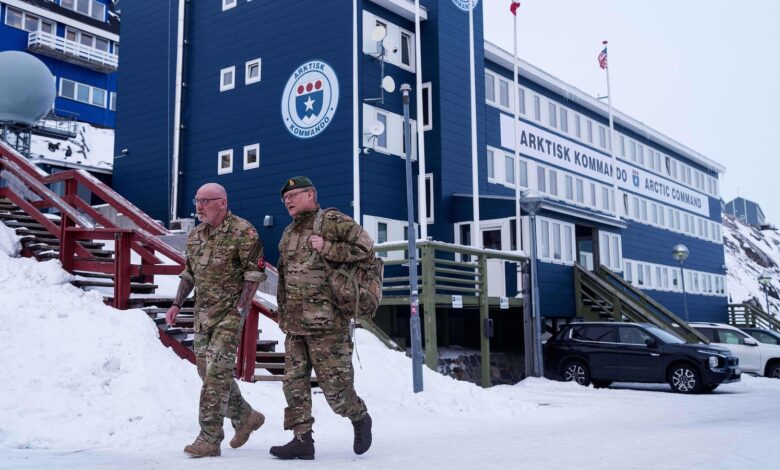
European leaders have strongly condemned U.S. President Donald Trump’s recent announcement of imposing sanctions on countries that deployed military forces to Greenland. Trump’s move to impose tariffs on goods from Denmark, Norway, Sweden, France, Germany, the U.K., the Netherlands, and Finland has sparked outrage among European leaders.
Trump’s decision to impose a 10% tariff on goods sent to the U.S. from these countries, which is set to increase to 25% by June 1, has been met with criticism and resistance. The president’s goal is to acquire Greenland, a self-governing territory of the Kingdom of Denmark, known for its rich mineral resources. However, Danish and Greenlandic politicians have firmly rejected Trump’s proposal to purchase the island.
European Commission President Ursula von der Leyen emphasized the importance of transatlantic peace and security in the Arctic, highlighting the need for NATO cooperation. She expressed concern over the potential impact of tariffs on transatlantic relations and emphasized the unity of Europe in upholding its sovereignty.
Kaja Kallas, the EU’s foreign affairs chief, warned that escalating tensions between the U.S. and its European allies could benefit China and Russia. She urged for a united response within NATO to address security concerns in Greenland rather than resorting to tariffs and threats.
French President Emmanuel Macron and British Prime Minister Keir Starmer also condemned Trump’s actions, emphasizing the sovereignty and independence of nations and the importance of collective security within NATO. Swedish Prime Minister Ulf Kristersson echoed similar sentiments, emphasizing that Denmark and Greenland have the right to make decisions regarding their future.
Trump’s repeated efforts to acquire Greenland have led to protests and pushback from Danish and Greenlandic officials. The U.S. focus on Greenland has raised concerns about Arctic security and sovereignty, prompting discussions among affected nations to coordinate a response.
Despite congressional resistance and bipartisan efforts to engage with Danish and Greenlandic officials, Trump’s aggressive tactics have strained diplomatic relations and raised concerns about the potential consequences of his actions. European leaders remain committed to upholding their sovereignty and working together to address security challenges in the Arctic region.
In conclusion, Trump’s attempts to acquire Greenland have sparked a diplomatic crisis, with European leaders united in their opposition to tariffs and threats. The situation remains tense as discussions continue to find a resolution that respects the sovereignty of Greenland and the interests of all parties involved.