EV Tax Credits and Rebates Still Available in 13 States
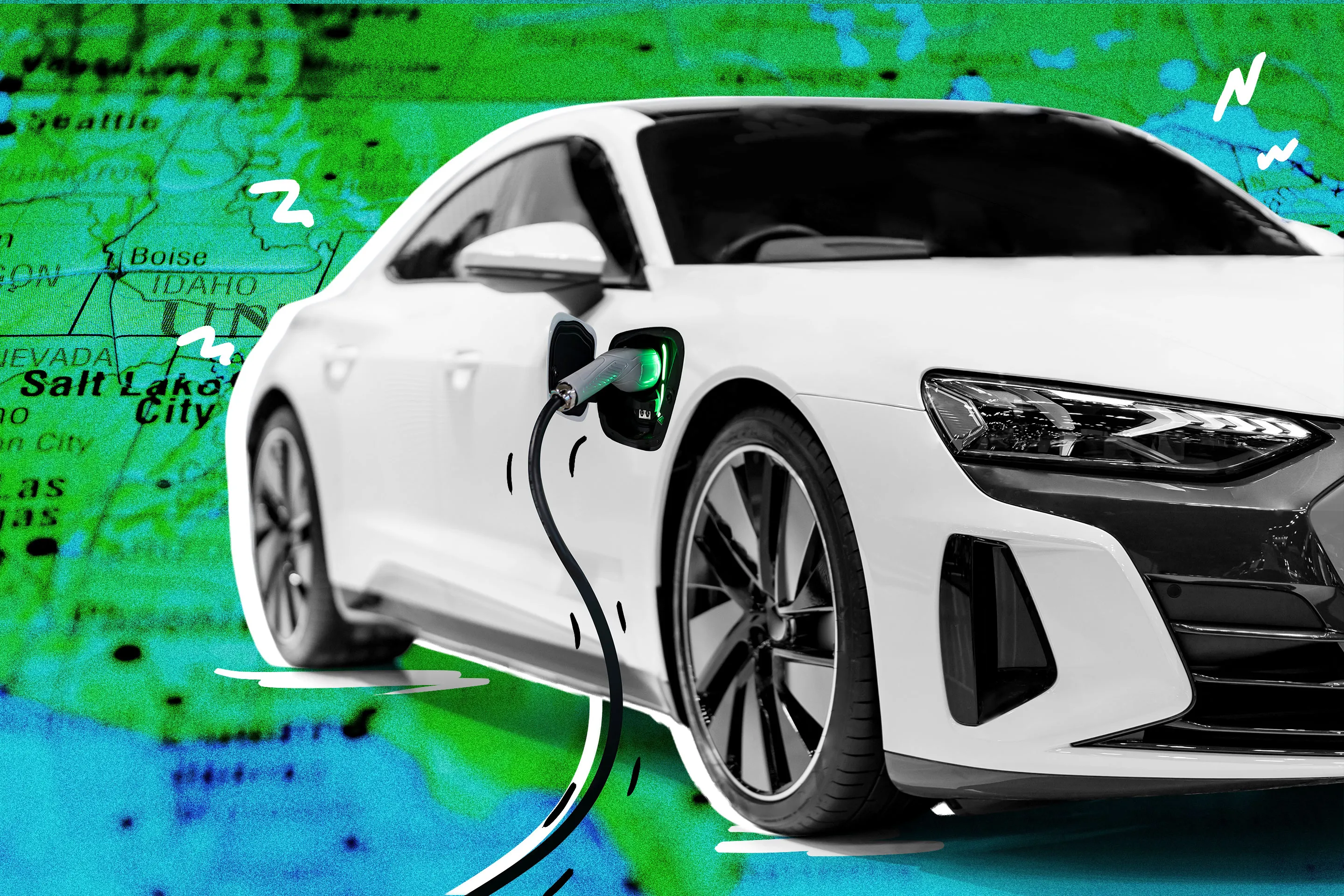
As the federal electric vehicle tax credit has been eliminated, many drivers may be feeling disheartened about the financial incentives for purchasing an EV. However, there is still hope for those looking to save money on their electric vehicle purchase, as rebates remain available in over a dozen states across the country.
State governments have recognized the importance of incentivizing EV purchases as a means to accelerate adoption and work towards achieving climate goals. The widespread adoption of electric vehicles can have a positive impact on air quality and provide economic benefits to communities. In light of the federal tax credit being eliminated, some states have expanded their incentive programs, while others have reaffirmed their commitments to existing programs and have begun to raise awareness about the available rebates.
Despite the challenges of finding funding for EV incentives, especially in regions with high EV demand, states are working towards providing financial incentives to encourage more people to make the switch to electric vehicles. For example, California, a state known for its environmental initiatives, has not had a statewide EV rebate since 2023. Governor Gavin Newsom has expressed frustration over the lack of federal support for EV incentives, stating, “We can’t make up for federal vandalism of those tax credits.”
Innovative approaches are being taken by automakers like General Motors and Ford, who have found a loophole that allows them to extend the federal tax credit deal on certain EV leases. By combining these offers with state rebates, EV shoppers could potentially save even more money on their electric vehicle purchase.
Currently, there are 13 states where drivers can still take advantage of incentives for buying an EV, either in the form of rebates or tax credits. Some of these states include Colorado, Connecticut, and Delaware, each offering different levels of incentives for EV buyers. For example, Colorado has recently announced expanded electric vehicle rebates, with rebates of up to $9,000 available for new EV purchases through the Vehicle Exchange Colorado program.
As the transition to electric vehicles continues to gain momentum, it is encouraging to see states stepping up to provide financial incentives to make EV ownership more accessible and affordable for drivers. By taking advantage of these rebates and incentives, more people may be inclined to make the switch to electric vehicles, ultimately contributing to a cleaner and more sustainable future for all. As electric vehicles (EVs) become increasingly popular across the United States, several states are offering incentives to encourage more residents to make the switch to clean, sustainable transportation. These incentives can help offset the initial cost of purchasing an EV, making them more accessible to a wider range of consumers. Let’s take a closer look at some of the EV rebate programs currently available in various states.
In Delaware, the EV rebate program is based on the sticker price for new vehicles and the Kelley Blue Book Fair Purchase Price for used cars. This means that eligible applicants can receive a rebate based on the price of the vehicle they are purchasing. More information about Delaware’s EV rebate program can be found on the driveelectricdelaware.org website.
Illinois has a similar program, with applications being accepted from October 28 through January 31. Low-income applicants can receive a rebate of $4,000, while all others who qualify can receive $2,000. Funding for this program is limited to $14 million for the fiscal year, so interested individuals are encouraged to apply as soon as possible.
In Maine, EV buyers can receive incentives of up to $7,500 if they also purchase a specific charger designed to power up vehicles during off-peak hours. These incentives are offered through Efficiency Maine, an independent energy-efficiency agency that receives government funds. Low-income residents can qualify for higher rebates than moderate-income residents, with varying amounts based on whether the vehicle is new or used.
Massachusetts offers EV incentives through the MOR-EV program, with a standard rebate of $3,500 for new EVs. Additional rebates are available for income-qualifying applicants, as well as for trading in a gas-powered car for an EV. Used EVs also qualify for rebates in Massachusetts.
Mississippi Power, the largest electric utility in the state, offers rebates of $1,250 for new EV purchases and $750 for used EV purchases. More information about Mississippi’s EV rebate program can be found on their website.
New Jersey’s Charge Up New Jersey incentive program offers a $1,500 incentive for new EV buyers, with an additional $2,500 available for income-qualifying applicants. This program has been accepting applications since July 1.
In New Mexico, the Clean Car Tax Credit provides credits of up to $3,000 for EV purchases. Additional credits are available for low-income residents through a separate program for customers of PNM, the state’s largest energy provider.
New York’s Drive Clean Rebate program offers rebates of up to $2,000 for EV purchases, with varying amounts based on the vehicle’s range and sticker price. Over 60 models are eligible for this rebate program.
These are just a few examples of the EV rebate programs currently available in various states. As more states work to incentivize the adoption of electric vehicles, consumers have the opportunity to save money while making a positive impact on the environment. Be sure to check with your state’s specific program for eligibility requirements and application details.