Even households earning $150,000 a year are struggling with credit card and car payments
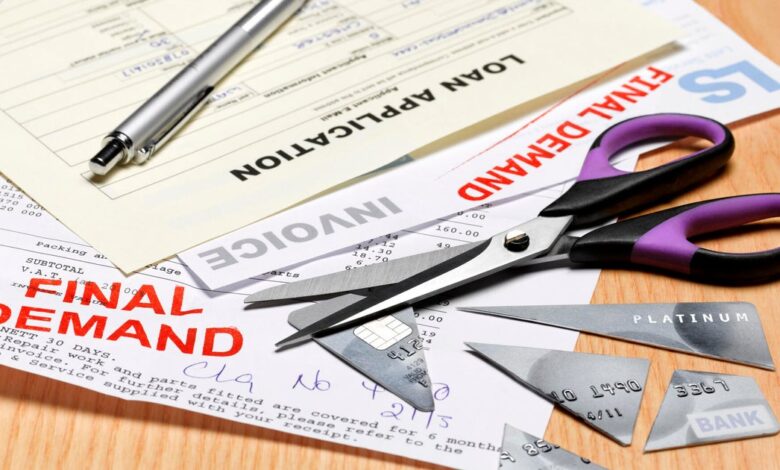
The financial landscape for high-income Americans is showing signs of strain, with more affluent individuals falling behind on credit card and auto loan payments. Data from credit-scoring company VantageScore reveals that delinquencies for households earning over $150,000 have more than doubled since 2023, compared to a 60% increase for households earning between $45,000 and $150,000 and a 22% increase for those earning less than $45,000.
While high-income households initially weathered the post-pandemic economic challenges better than lower-earning Americans, they are now feeling the impact of various economic shifts. Factors such as a weaker job market for white-collar workers and rising housing costs are contributing to their financial struggles. Chief economist Rikard Bandebo noted that the trend of increasing delinquencies among high-income Americans shows no signs of slowing down.
One of the key factors affecting affluent Americans is the decline in the creation of high-paying jobs. VantageScore data indicates that only 7% of new jobs created this year pay above-average wages, down from 38% in the five years prior to the pandemic. This shift poses a challenge for high-income individuals who may find it harder to secure new employment in the current job market.
While the overall delinquency rate is still higher for low- and middle-income consumers, the rate of increase in delinquencies has been faster for higher-income households. This trend raises concerns about a potential economic downturn, as the spending habits of wealthier Americans play a significant role in driving economic growth. With middle-income households also facing financial challenges and cutting back on non-essential purchases, the overall consumer spending landscape is under pressure.
Retailers and consumer brands have observed a shift in consumer behavior, with shoppers seeking value and being more cautious in their purchases. Rising prices have fueled consumer frustration, with many expressing dissatisfaction with the current economic policies. President Trump’s promises to address inflation during the 2024 campaign resonated with voters, but public disapproval of his handling of inflation is growing.
Despite calls to lower interest rates, the Federal Reserve is expected to maintain its current stance in the upcoming policy announcement. This means that Americans struggling with credit card debt and auto loans may not see immediate relief. As economic challenges persist for high-income individuals and the broader population, proactive financial management and cautious spending are becoming increasingly important.
By Aimee Picchi, Associate Managing Editor for CBS MoneyWatch