Even the mayor’s not safe in San Francisco
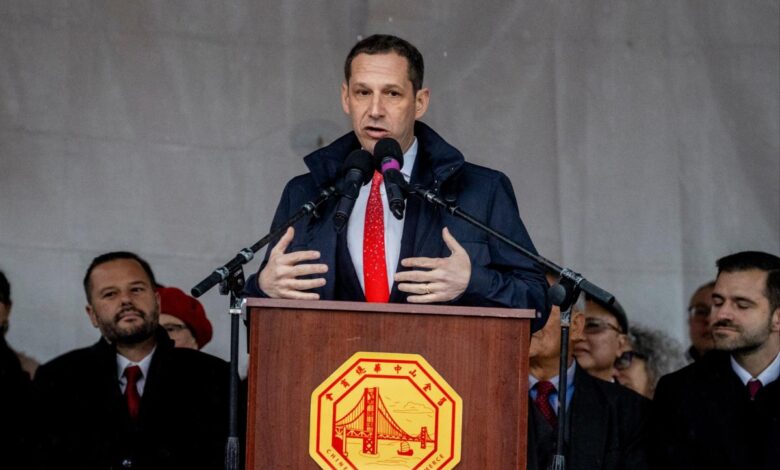
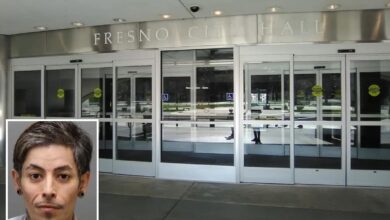
San Francisco Mayor Daniel Lurie recently found himself in the midst of a violent street altercation in the Tenderloin district, sparking heated discussions about the city’s urban safety, leadership decisions, and the ongoing denial of its deep-rooted dangers. The incident occurred shortly after another violent attack in Chinatown, where a man was stabbed in the back by a hooded assailant, captured on camera with a swift arrest made by the police.
The altercation involving Lurie began as a minor obstruction when three men blocked his SUV just blocks away from his City Hall office. The situation quickly escalated into a physical confrontation, resulting in a security officer being body-slammed and injured. Instead of staying inside his vehicle, Lurie decided to confront the men blocking his vehicle, a move that not only lacked judgment but also highlighted a broader issue of overlooking the volatile realities of San Francisco’s troubled neighborhoods.
The Tenderloin district has long been associated with urban decay and danger in San Francisco. It is a densely populated area plagued by homelessness, open drug markets, and a range of associated crimes, including assaults and robberies. Trash-strewn alleys in the neighborhood serve as breeding grounds for erratic behavior fueled by drugs and untreated mental health issues, leading to frequent reports of stabbings, shootings, and other violent incidents.
Despite the well-known risks in the area, Lurie’s decision to engage with the men blocking his vehicle demonstrated a disconnect from the immediate threats posed by the neighborhood. His actions not only violated security protocols designed to ensure his safety but also exposed him and his security detail to unnecessary danger. In a city where mayors receive security protection for valid reasons, such lapses in judgment are concerning and reflect a leadership style that prioritizes optics over prudence.
The incident had the potential to escalate further, especially given one of the suspects’ prior arrest for a fatal stabbing, highlighting the presence of concealed weapons in the area. The downplaying of random violence in San Francisco under Lurie’s leadership raises concerns about the city’s approach to addressing real threats and fosters a dangerous sense of complacency among residents.
Lurie’s response to the incident, where he downplayed the severity of the altercation, further underscores the need for city officials to acknowledge and address the ongoing risks in neighborhoods like the Tenderloin. Failure to recognize and address these dangers not only endangers public safety but also erodes trust among residents who face these risks on a daily basis. Moving forward, it is crucial for city leaders to confront the realities of urban danger and take proactive steps to ensure the safety of all residents.