Ex-Meta exec says Instagram exposed teen daughter to ‘predators’ in bombshell New Mexico testimony
The daughter of a former Meta safety researcher received sexually explicit messages on Instagram
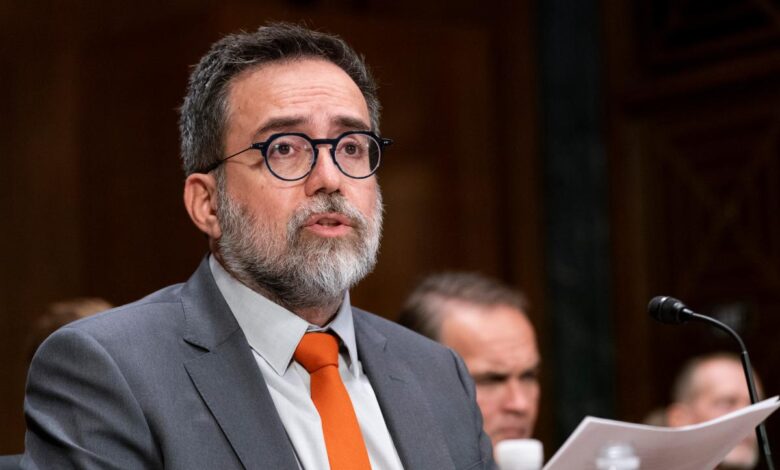
According to testimony at a New Mexico trial, the underage daughter of a former Meta safety researcher was inundated with sexually explicit pictures and propositions shortly after creating her first Instagram account. Arturo Béjar, who led a safety-focused team at Meta from 2009 to 2015, returned as a consultant in 2019 after discovering the disturbing messages his then-14-year-old daughter received on the platform, including “unsolicited penis pictures.”
Concerns about child safety on Instagram
Béjar testified that the experience led him to become an outspoken critic of Meta, claiming that the company failed to protect children from online predators in order to prioritize profits. He highlighted the challenges he and his daughter faced in reporting inappropriate content and the lack of necessary safety features on the platform.

Allegations against Meta
Béjar accused Meta of being understaffed to handle safety violations and pointed out that the company’s algorithms facilitated predatory behavior on the platform. He also claimed that Meta misrepresented the extent of harmful content on Instagram through misleading statistics.
Meta’s response
In response to Béjar’s claims, Meta defended its efforts to enhance safety on Instagram, citing the introduction of features like Teen Accounts, parental supervision tools, and improved reporting mechanisms. The company refuted the allegations of downplaying safety issues and emphasized its commitment to creating a positive experience for teens on the platform.
Legal challenges for Meta
The New Mexico trial is just one of the legal battles Meta is currently facing, including a separate trial in California alleging the company contributed to teen social media addiction. Meta’s attorneys have reiterated the company’s efforts to safeguard young users and communicate risks to parents.
It is important to note that Meta has strongly refuted the claims made by Béjar and emphasized its ongoing commitment to improving safety measures on its platforms.