Excitement — and concerns — over OpenAI’s Sora 2 and other AI video tools
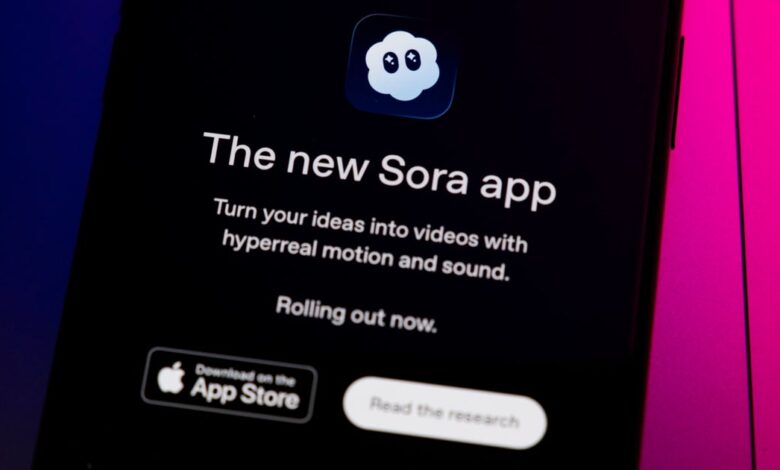
The integration of AI technology into online video content is pushing the boundaries of what is possible in the digital realm. In a recent announcement, Meta CEO Mark Zuckerberg introduced “Vibes,” a feature that allows users to create and watch AI-generated videos. Following suit, OpenAI released Sora 2, a tool that enables users to create videos with virtual “cameos” of themselves and others, quickly rising to the top of Apple’s app store.
These AI tools are making it easier for non-experts to create sophisticated and imaginative videos. With simple prompts, users can generate quirky and realistic videos that were once only possible through advanced editing software. The possibilities are endless, as users are only limited by their imagination, according to Hany Farid, a professor at UC Berkeley.
In addition to providing a creative outlet, these tools are ushering in a new era of social media, where AI-generated content is seamlessly integrated into platforms like TikTok. Meta’s “Vibes” offers a similar experience, with all the videos being AI-generated. Adam Nemeroff, a technology expert at Quinnipiac University, predicts that big tech companies will eventually monetize AI-generated content through advertisements and brand placements.
Despite the rapid growth of generative AI tools, tech companies are still navigating how to profit from this technology. OpenAI plans to offer Sora 2 for free initially, with the option for users to pay for additional video generation based on demand. Meta, on the other hand, has stated that “Vibes” will remain free for users.
The rise of AI-created videos has raised concerns about the proliferation of low-quality content, including deepfake videos that could be mistaken for real. Meta and OpenAI have implemented safeguards to prevent harmful content, such as invisible watermarks and provenance signals to help users identify AI-generated videos.
The advancement of AI-generated videos is poised to disrupt the entertainment industry and other online content creators. Farid predicts that anyone with internet access will be able to create videos of their choosing, blurring the lines between reality and fiction. While Meta aims to empower users to create AI-generated content, industry professionals are calling for regulations to protect copyright and creativity in the digital landscape.
As AI continues to evolve, industries will face both challenges and opportunities in adapting to this new technology. The disruption caused by AI-generated content may lead to the destruction of traditional models but also pave the way for new forms of creativity and innovation across various sectors.