Experts urge physiology-based strategies to protect people during deadly heat waves
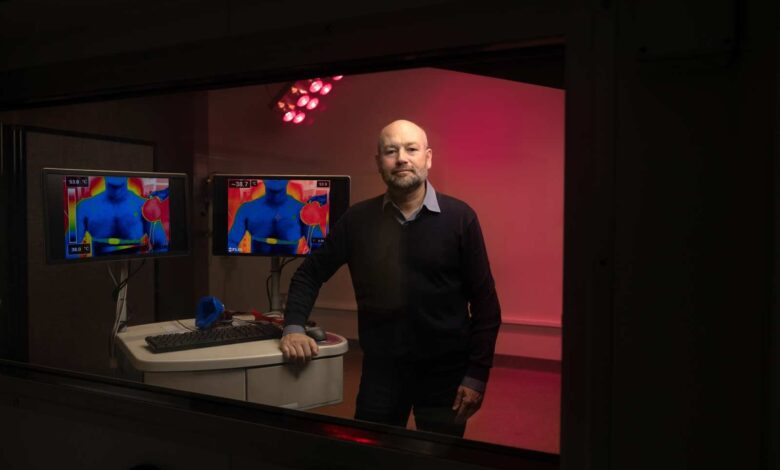
Extreme heatwaves can have deadly consequences on the human body, leading to conditions such as heat stroke, heart attacks, kidney failure, and exacerbation of existing health issues. In a bid to address this pressing issue, experts from the University of Sydney are advocating for a paradigm shift in how governments and policymakers approach heatwave mitigation strategies.
According to recent estimates, over 100,000 individuals lost their lives during the European summers of 2022 and 2023 due to heatwaves. With global temperatures expected to rise significantly in the coming years, the number of heat-related deaths is projected to increase fourfold by 2050 if temperatures reach 2 degrees Celsius above pre-industrial levels.
In a groundbreaking commentary article published in Nature, Professor Ollie Jay and Dr. Federico Tartarini from the Heat and Health Research Center propose a novel approach to heat adaptation. They suggest focusing on cooling individuals rather than simply reducing air temperatures, emphasizing the importance of understanding how the human body responds to extreme heat.
Professor Jay highlights the role of environmental factors such as radiation, humidity, and wind speed, in addition to an individual’s physiology in determining their susceptibility to heat-related illnesses. By leveraging existing physiological models, the researchers advocate for a physiology-first approach to predicting and mitigating the impact of extreme heat on vulnerable populations.
To empower individuals to assess their risk and take preventive measures, Professor Jay and Dr. Tartarini have developed HeatWatch, a personalized heat-health risk assessment tool. By inputting relevant information such as age, health conditions, medications, and access to cooling facilities, users can receive a tailored seven-day forecast of their heat-related risk and evidence-based cooling recommendations.
While HeatWatch is currently being piloted in Sydney with various organizations and communities, the researchers have ambitious plans to expand its reach globally. They aim to collaborate with public health organizations, governments, and policymakers worldwide to anticipate and address heat stress risks in diverse populations.
Dr. Tartarini emphasizes the need for a sustainable approach to heat adaptation, highlighting the inefficiency and carbon intensity of traditional cooling methods like air conditioning. The researchers advocate for environmentally friendly strategies such as using fans, water evaporation, and strategic shading to cool the body effectively without exacerbating climate change.
By prioritizing individual physiology and personalized risk assessments, Professor Jay and Dr. Tartarini believe that a global shift towards physiology-based heat mitigation strategies can save lives and promote resilience in the face of escalating temperatures. Their innovative approach offers a promising path towards protecting vulnerable populations from the health impacts of heatwaves.