Exploring safer energy drink recipes to protect dental enamel
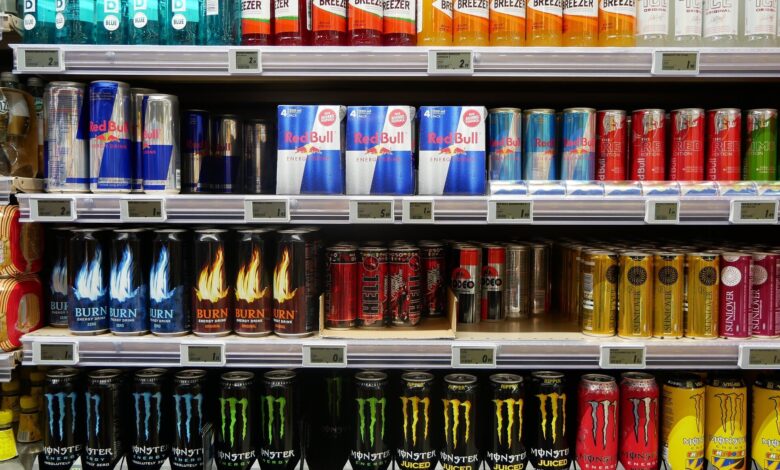
Energy drinks are a popular choice for many individuals looking for a quick energy boost. However, these beverages can have harmful effects on dental health due to their high acidity levels. In a recent study conducted by researchers at Universidade do Estado do Rio Grande do Norte in Brazil, it was found that adding specific calcium compounds to energy drinks can help reduce dental enamel erosion.
Dental erosion is a serious issue that can lead to the weakening and wearing away of tooth enamel and dentin. Acidic beverages, such as energy drinks, are known to contribute to this erosion by lowering the pH levels in the mouth and causing demineralization of the teeth.
The study, titled “Erosive potential of energy drink modified by calcium formulations on dental enamel: an in vitro study,” involved testing the effects of different calcium formulations and concentrations on the erosive potential of a popular energy drink. Enamel specimens were exposed to various calcium-fortified energy drinks, as well as unmodified Red Bull and a calcium-supplemented orange juice for comparison.
The results showed that the addition of calcium to the energy drinks led to a reduction in enamel erosion. The calcium/phosphorus/potassium complex was found to offer the strongest protection against erosion. Higher concentrations of this complex increased the pH of the energy drink, while other calcium formulations decreased the pH.
Surface roughness and enamel microhardness were also measured in the study. Specimens exposed to calcium-fortified drinks showed lower surface roughness compared to unmodified Red Bull, and formulations containing dicalcium malate and the calcium/phosphorus/potassium complex preserved enamel hardness more effectively.
The researchers concluded that fortifying energy drinks with calcium can help protect against acid erosion and prevent dental wear. They suggested that reformulating commercial beverages with calcium compounds could benefit frequent consumers, especially those who are already experiencing dental issues.
Future investigations are planned to determine the optimal doses of calcium needed for protection and to evaluate the effects of these fortified drinks under real-world conditions. By incorporating calcium into energy drinks, it may be possible to mitigate the harmful effects of these beverages on dental health and promote better oral hygiene practices among consumers.