F5 warns breach that alarmed governments will weigh on sales, shares slide
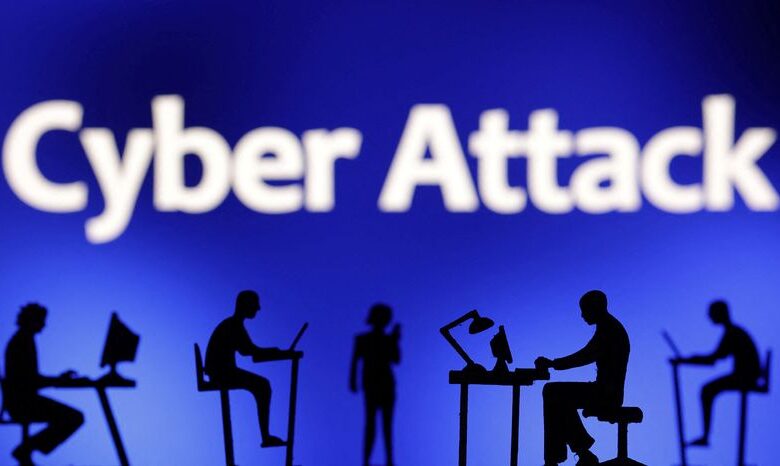
Cybersecurity company F5 has forecasted annual revenue below Wall Street estimates, citing a recent systems breach that has raised concerns about potential risks to U.S. and UK government systems. This news has caused shares of the company, which serves many Fortune 500 firms, to drop by 5.8% in after-hours trading.
Earlier this month, F5 disclosed that hackers had gained “long-term, persistent access” to certain company systems, including the source code for one of its key cybersecurity services. Reports later revealed that the breach was attributed to state-backed hackers from China. U.S. officials have confirmed that federal networks were among those targeted in the aftermath of the hack and have emphasized the need for immediate action.
In response to the security incident, F5 expects some disruption to sales cycles as customers focus on assessing and remediating their environments. However, the company has not yet seen any impact on demand, according to executives on a post-earnings call.
The incident primarily affected BIG-IP customers in two ways. Some customers had to quickly upgrade to the latest releases following the breach disclosure, while a small subset faced limited data exfiltration and were notified with details. Initial feedback suggested that the compromised data was not sensitive.
F5 has forecasted full-year revenue growth of 0% to 4%, with any demand impacts expected to be more pronounced in the first half of the fiscal year before normalizing in the second half of fiscal year 2026. This projection falls below the average analyst estimate of a 4.8% increase. The company also anticipates first-quarter revenue between $730 million and $780 million, factoring in potential disruption from the U.S. government shutdown, which is lower than the estimated $791 million.
In conclusion, F5 faces challenges following the recent security breach, with potential implications on revenue and demand for its services. The company is closely monitoring the situation and working to address any concerns raised by customers and stakeholders.
(Reporting by Nithyashree R B in Bengaluru and Juby Babu in Mexico City; Editing by Anil D’Silva, Maju Samuel, and Shilpi Majumdar)