Fascism, the Right, and the Left
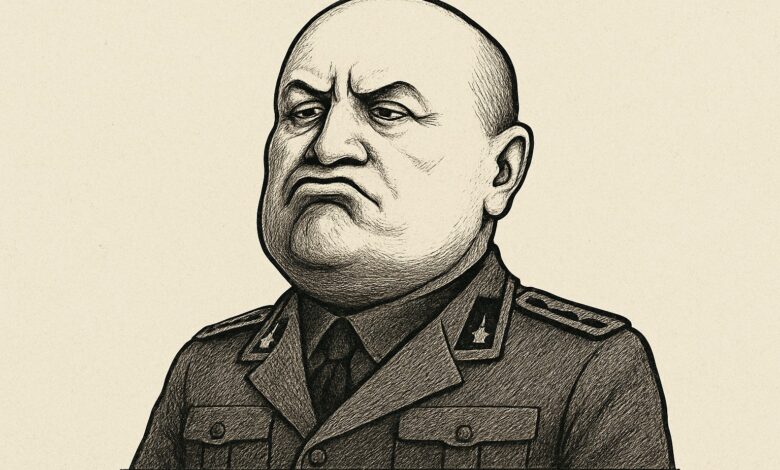
Fascism is a complex political ideology that goes beyond the typical association with the extreme right. According to the encyclopedia Britannica, fascism is characterized by extreme militaristic nationalism, contempt for democracy and liberalism, belief in social hierarchy, and the subordination of individual interests to the nation.
However, when we delve deeper into the foundations of fascism, we find that it shares some similarities with both the extreme left and the extreme right. For example, both fascism and communism reject individualism in favor of collective choices made through the state. This collectivist approach is in stark contrast to the individualism promoted by classical liberalism and libertarianism.
Historical figures such as Alfredo Rocco and Benito Mussolini have articulated the fascist ideology, emphasizing the supremacy of the state over the individual. Mussolini, in his Doctrine of Fascism, declared that the state is the ultimate ethical will and creator of right, while individual rights are only recognized in relation to the rights of the state.
Similarly, Mario Palmieri, in his book “The Philosophy of Fascism,” echoed the sentiment that everything exists for the state and nothing should oppose it. This emphasis on the state as the central authority and the collective good reflects the core principles of fascism.
Overall, fascism can be seen as an authoritarian form of democracy that prioritizes the state over individual interests. It represents a shift towards collectivism and away from the individualism championed by classical liberalism. The distinction between collective and individual choices emerges as a key dividing line in modern political ideologies.