FCC banning new foreign-made drones, a move China calls “discriminatory”
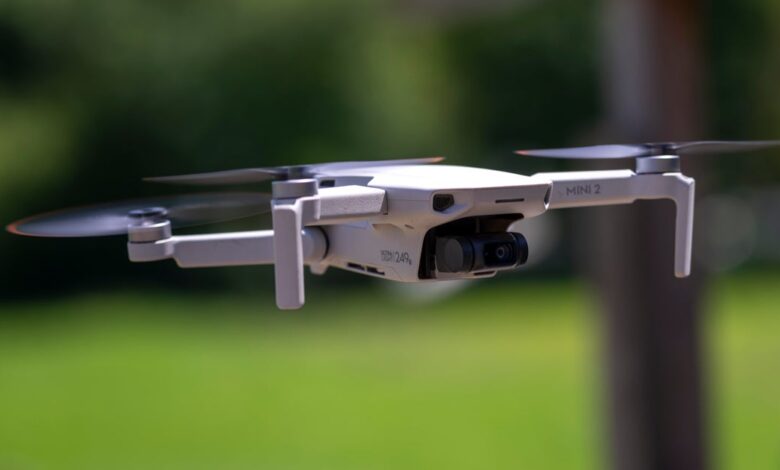
Washington — In a significant move to bolster national security, the Federal Communications Commission (FCC) announced on Monday that it would ban new foreign-made drones from entering the U.S. market. This decision effectively blocks popular Chinese-made drones, such as those from DJI and Autel, from being sold in the country.
This decision comes in response to concerns raised by Congress about the potential national security risks posed by Chinese-made drones. These drones have gained widespread popularity in various sectors such as farming, mapping, law enforcement, and filmmaking in the U.S. The FCC’s decision follows a defense bill passed by Congress last year, which mandated a review of the risks posed by Chinese drone manufacturers. The deadline for this review was December 23.
The FCC stated that the review concluded that all drones and critical components produced in foreign countries, not just by Chinese companies, posed “unacceptable risks to the national security of the United States and to the safety and security of U.S. persons.” However, certain drones or components may be exempt from the ban if deemed safe by the Pentagon or Department of Homeland Security.
The FCC highlighted upcoming major events like the 2026 World Cup, America250 celebrations, and the 2028 Summer Olympics in Los Angeles as reasons to address potential drone threats from “criminals, hostile foreign actors, and terrorists.”
Michael Robbins, president and CEO of AUVSI, expressed support for the decision, emphasizing the need for the U.S. to reduce its reliance on China and develop its own drone manufacturing capabilities. He emphasized the importance of securing domestic supply chains, citing past instances where China restricted critical supplies for strategic reasons.
On the other hand, DJI expressed disappointment with the FCC’s decision, stating that concerns about its data security were unfounded and reflected protectionist motives rather than evidence-based concerns. The company lamented the lack of transparency in the decision-making process.
In Texas, drone operator Gene Robinson voiced concerns about the impact of the ban on his law enforcement operations, as he heavily relies on DJI drones for training and analysis. However, he acknowledged the need to address national security risks and criticized the outsourcing of drone manufacturing to China.
Meanwhile, American drone manufacturer Arthur Erickson of Hylio welcomed the ban on Chinese drones, noting that it would create opportunities for domestic companies to thrive. He acknowledged the unexpected scope of the ban on all foreign-made drones and components, calling for clarity on how it would be implemented.
Overall, the FCC’s decision marks a significant shift in the drone market, with implications for both industry players and end-users. As the U.S. aims to strengthen its national security and promote domestic drone production, the repercussions of this ban will undoubtedly shape the future of the drone industry in the country.