FCC Chairman Brendan Carr Downplays His Role in Jimmy Kimmel Suspension
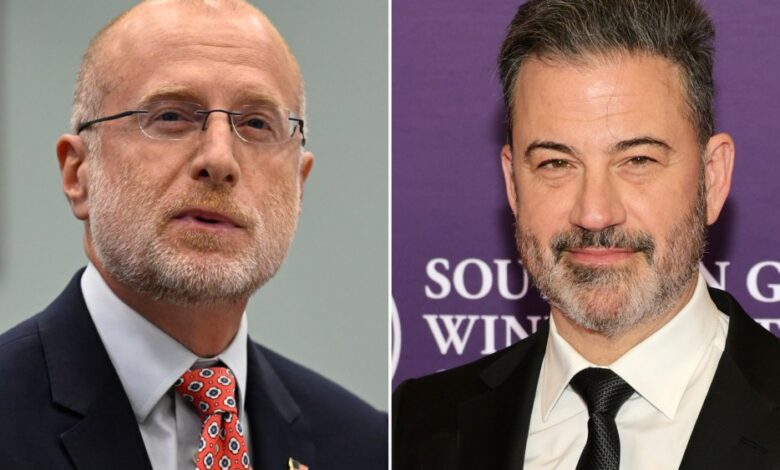
Brendan Carr, the chairman of the FCC appointed by former President Trump, made headlines recently for his comments regarding late-night host Jimmy Kimmel. Carr criticized Kimmel’s remarks about the killer of Charlie Kirk, calling them “some of the sickest conduct possible.” However, Carr has since clarified that his comments were not meant to influence ABC’s decision to suspend Kimmel.
In a recent appearance on a conservative podcast, Carr issued a warning to ABC and its affiliates, stating that they needed to “take action” on Kimmel or face potential consequences. He suggested that the FCC could investigate news distortion allegations against local ABC broadcasters if they continued to air Kimmel’s show. This led to Nexstar Media Group and Sinclair preempting “Jimmy Kimmel Live!” on their ABC-affiliated stations, with ABC eventually announcing the indefinite suspension of the show.
Despite the initial backlash, Carr has distanced himself from being directly responsible for Kimmel’s suspension. Speaking at the 2025 Concordia Annual Summit, Carr emphasized that Kimmel’s fate was determined by his ratings and not by any government intervention. He likened the situation to CBS’s cancellation of “The Late Show With Stephen Colbert,” which was attributed to financial reasons.
Carr explained that his comments about taking action against Kimmel were hypothetical and focused on the FCC’s role in addressing news distortion complaints. He maintained that he had not expressed a definitive stance on the merits of such complaints, despite criticizing Kimmel’s conduct.
Following Carr’s remarks at the conference, Disney announced the return of “Jimmy Kimmel Live!” on Tuesday. Sinclair continued to preempt the show with news programming, while Nexstar has not confirmed whether it will reinstate Kimmel’s show on its affiliates. Carr’s involvement in the controversy sparked criticism from both Democrats and Republicans, with concerns raised about potential censorship and First Amendment violations.
In his defense, Carr stressed the FCC’s commitment to empowering local TV stations to serve their communities’ needs. He highlighted a letter he sent to Disney CEO Bob Iger, advocating for a balance of power between national programmers and local stations. Carr’s comments at the Concordia conference reflected his belief in re-empowering local broadcasters and addressing the influence of major media corporations.
While Carr expressed disapproval of left-leaning late-night hosts like Kimmel, he maintained that his opinions were personal musings rather than official FCC policy. He criticized the shift in late-night comedy towards partisan viewpoints, emphasizing the importance of audience ratings in determining the success of such shows.
Overall, Carr’s involvement in the Kimmel controversy shed light on the complexities of media regulation and the delicate balance between free speech and regulatory oversight in the broadcasting industry.