FDA approves new blue food dye derived from gardenia fruit
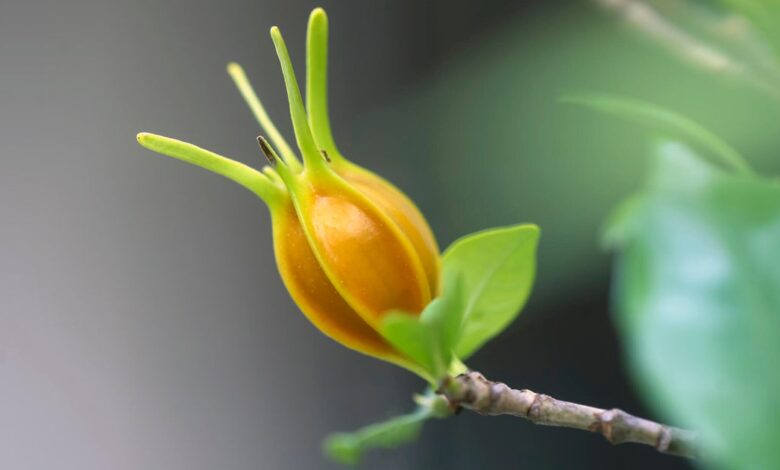
The U.S. Food and Drug Administration has recently given the green light to a new blue color additive derived from the fruit of the gardenia plant. This natural colorant is set to be used in a variety of beverages and confectionery products, including sports drinks, flavored water, fruit drinks, teas, and candies.
The Gardenia Blue Interest Group petitioned for the approval of this additive, which is produced by refining genipin, a compound extracted from crushed Gardenia jasminoides Ellis fruit. To create the color additive, genipin is reacted with soy protein hydrolysate. Despite the use of soy, which can be an allergen, the group has requested an exemption from labeling it as such, claiming that the soy protein is not expected to be present in detectable amounts in the final product.
Health Secretary Robert F. Kennedy Jr. praised the FDA’s decision to approve gardenia blue, emphasizing the importance of prioritizing children’s health by eliminating unnecessary synthetic chemicals from food products. This approval marks the fourth natural color additive authorized by the FDA in the past two months, following the approval of galdieria extract blue, calcium phosphate (white), and butterfly pea flower extract (blues, purples, and greens).
Kennedy has been a vocal advocate for phasing out petroleum-based food dyes in favor of natural alternatives, urging companies to make the switch by the end of next year. While the food dye industry has defended the safety of artificial dyes, citing their role in maintaining consistency and visual appeal in products, there is growing momentum towards embracing natural colorants in the food supply chain.
Despite the attention on natural food dyes, Dr. Céline Gounder, CBS News medical contributor, and public health expert, highlights that the real health concerns lie in the high levels of salt, sugar, and fat found in processed foods. She emphasizes the need to address these nutritional factors to improve public health outcomes.
In conclusion, the approval of gardenia blue and other natural color additives signals a shift towards cleaner and more transparent food ingredients. As the industry continues to evolve, consumers can expect to see more natural alternatives replacing artificial additives in various food and beverage products.