February 2026 jobs report preview
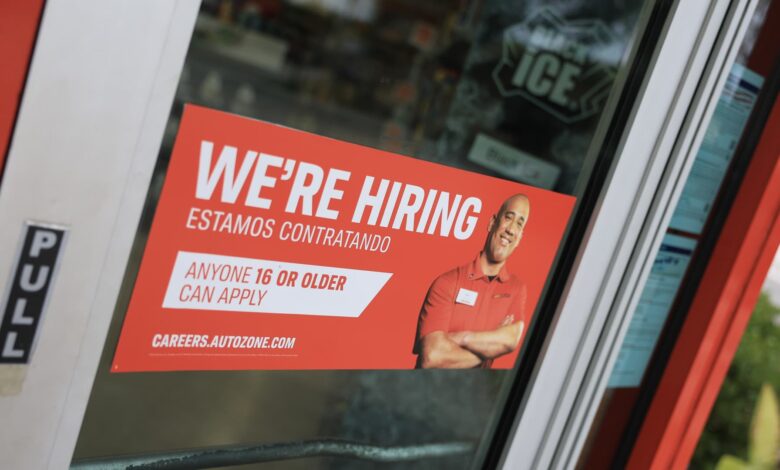
The labor market in 2025 was described as unstable, with minimal job growth and various challenges on the horizon. However, as we move into 2026, the narrative has shifted to one of stability, despite the conditions remaining largely the same. Companies are hesitant to lay off employees due to strong demand, but are also cautious about expanding their workforce due to uncertainties surrounding tariffs, inflation, and geopolitics.
Federal Reserve officials and market economists are expressing a more optimistic view of the labor market, emphasizing its stability rather than robustness. The current pace of job growth is considered adequate given the constraints on the labor pool, such as immigration restrictions. While the hiring rate remains low, it is seen as acceptable for the time being, with the economy continuing to expand.
Claudia Sahm, chief economist at New Century Advisors, highlighted the signs of stability in the labor market but also warned about the vulnerability posed by the low hiring rate. She emphasized the need for an increase in hiring to support economic growth.
Looking ahead, the Bureau of Labor Statistics is set to release its monthly nonfarm payrolls report for February, providing further insights into the employment landscape. Economists anticipate a modest payroll growth of 50,000, following January’s unexpectedly high figure of 130,000. The unemployment rate is expected to remain steady at 4.3%, reflecting the stable but not booming nature of the labor market.
However, concerns remain about the lack of balance in job growth across industries. Most of the gains in 2025 came from the health care sector, with other industries struggling to generate significant employment opportunities. The dominance of one sector in driving job growth raises questions about the overall stability of the labor market.
Additionally, technological advancements, such as artificial intelligence, are reshaping the job market. Companies like Block are implementing AI technologies, leading to workforce reductions. The impact of these changes on employment trends remains uncertain.
In February, the BLS report may be affected by a recent strike at Kaiser Permanente, which could impact health care employment numbers. Despite the strike being resolved, it occurred during the survey week for the report, potentially influencing the data. Bank of America predicts a below-consensus gain in payrolls due to the strike, but expects the unemployment rate to remain unaffected.
Overall, the labor market in 2026 presents a mixed picture of stability and challenges. While certain sectors are driving job growth, concerns about industry balance and technological disruptions loom large. Monitoring these developments will be crucial in understanding the evolving dynamics of the labor market.