Fed chief Powell calls Cook Supreme Court case most important in bank’s history
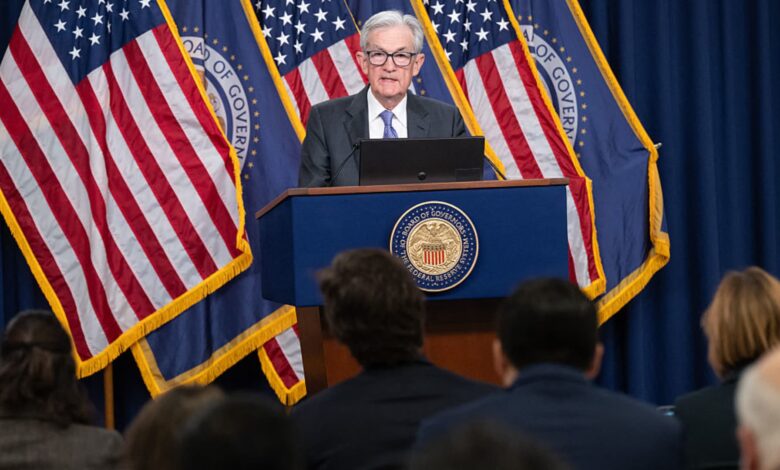
Federal Reserve Chair Jerome Powell recently made headlines for attending Fed Governor Lisa Cook’s Supreme Court hearing. Powell defended his decision, stating that the case could have a significant impact on the central bank’s independence, calling it the most important legal case in the Fed’s history.
The case revolves around President Donald Trump’s attempt to fire Cook, who has been accused of mortgage fraud. Powell’s attendance at the oral arguments raised eyebrows, with Treasury Secretary Scott Bessent calling it a “mistake” and accusing Powell of politicizing the case. However, Powell pointed out that former Fed Chair Paul Volcker had also attended a Supreme Court case in the past, indicating a precedent for his actions.
During the hearing, Supreme Court justices expressed skepticism towards Trump’s claims and raised concerns about the implications for Fed independence. Critics have suggested that Trump’s move to remove Cook may be linked to his desire for lower interest rates, rather than the mortgage fraud allegations.
Powell’s attendance at the hearing comes in the midst of a federal probe into the Fed’s headquarters renovations, a probe that some believe is connected to Trump’s criticism of Powell’s monetary policy decisions. The combination of these events has sparked concerns about the Fed’s longstanding apolitical stance.
In a press conference following the hearing, Powell emphasized the importance of the Fed’s political independence in maintaining credibility. He warned against getting involved in elected politics, stressing the need to uphold the institution’s reputation.
As Powell’s term as chair comes to an end in May, there is speculation about Trump potentially announcing a successor. Powell’s advice to his successor is clear: steer clear of political entanglements to preserve the Fed’s credibility.
The events surrounding Powell’s attendance at Cook’s Supreme Court hearing highlight the delicate balance between political pressures and the Fed’s independence. It serves as a reminder of the challenges faced by central bankers in navigating turbulent political waters while upholding the integrity of their institutions.