Fed Gov. Waller urges caution for now; cuts possible later in the year
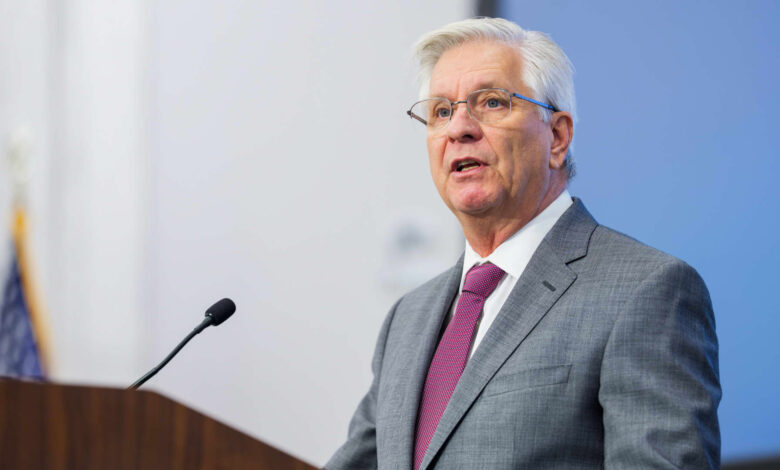
Federal Reserve Governor Christopher Waller recently expressed caution about the current economic conditions but still sees the opportunity for interest rate cuts later this year. In a CNBC interview, Waller, who was previously an advocate for rate cuts, stated that recent developments in the labor market and the uncertainty surrounding the war with Iran require a more conservative approach.
Waller emphasized that he is not ruling out the possibility of advocating for rate cuts later in the year if the labor market continues to weaken. However, he acknowledged that the markets have significantly reduced the likelihood of rate reductions for the remainder of 2026 and well into 2027. This shift in market expectations is a result of soaring oil prices and the indefinite duration of the war with Iran.
The Fed Governor’s earlier dovish stance was driven by a deteriorating labor market that saw minimal job growth in 2025. Despite a 92,000 decline in nonfarm payrolls in February, Waller noted that the labor force is not expanding, resulting in stagnant unemployment rates. He emphasized the need to monitor future labor market conditions to determine the necessity of advocating for rate cuts in upcoming meetings.
Regarding inflation, Waller expressed confidence that any inflationary pressures from tariffs are temporary and that inflation is moving towards the Fed’s 2% target. However, he cautioned that if tariff effects persist and inflation rises in the second half of the year, policymakers may face a dilemma between addressing inflation and avoiding a recession.
In contrast to Waller’s cautious approach, Fed Governor Michelle Bowman, also appointed by President Donald Trump, believes that the Fed could cut rates three times this year. Bowman cited expectations of strong economic growth supported by the administration’s supply-side policies. She is among the few Fed officials who foresee aggressive rate cuts in the coming months.
The differing views of Waller and Bowman highlight the uncertainty surrounding the Fed’s monetary policy decisions in response to evolving economic conditions. As the Fed continues to monitor labor market dynamics and inflation trends, policymakers may face challenging trade-offs between supporting economic growth and addressing inflation concerns.
In conclusion, the Federal Reserve’s approach to interest rate policy remains fluid, with policymakers closely monitoring economic indicators to determine the appropriate course of action. The divergent views within the Fed underscore the complexities of navigating a rapidly changing economic landscape.