Fed has a rate cut plus a bunch of other things on its plate this week
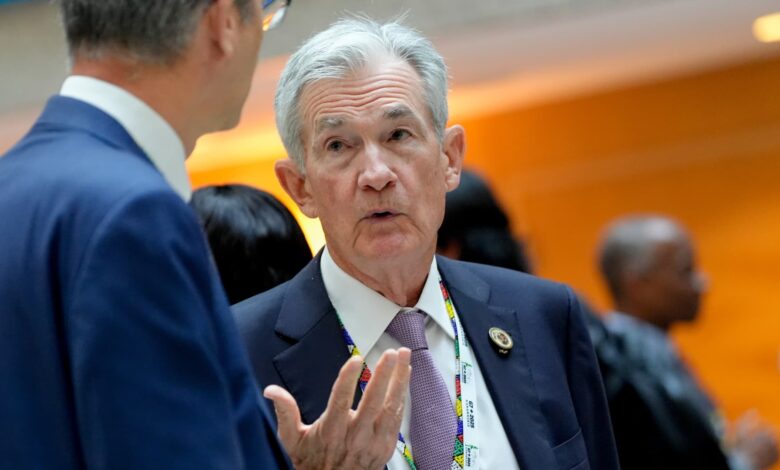
The Federal Reserve is set to announce an anticipated interest rate cut following its two-day policy meeting. While the rate cut itself is widely expected, there are other challenges and details that policymakers will need to address.
Currently, markets are predicting a 25 basis point reduction in the federal funds rate, bringing it down from 4%-4.25%. However, beyond this immediate cut, policymakers will need to discuss the future trajectory of rate cuts, the lack of economic data due to the government shutdown, and the timeline for ending the reduction of the Fed’s asset portfolio.
One of the key challenges facing the Fed is the divergence of opinions among policymakers regarding future monetary policy. Some members believe that further rate cuts are necessary, while others are more cautious and want to wait for more data before making a decision.
Newly appointed Governor Stephen Miran is expected to dissent in favor of a larger rate cut, as he did at the September FOMC meeting. However, other regional Presidents have expressed reluctance to go much further on cuts. Chair Jerome Powell will need to navigate these differing opinions and provide guidance to investors on the Fed’s future actions.
Concerns over the labor market are a significant factor driving the Fed’s decision to lower interest rates. Despite the lack of data, there are signs that inflation is slowing, and jobless claims are still ongoing. This focus on job market weakness may lead to further rate cuts throughout 2026.
The Fed’s challenge is compounded by the lack of economic data due to the government shutdown. Without key reports, policymakers must be prepared to adjust their strategies based on limited information. Additionally, the Fed will need to address when it will stop reducing its balance sheet, a process known as quantitative tightening.
Overall, the Fed faces a complex set of challenges as it navigates uncertain economic conditions and differing opinions among policymakers. The decisions made in the upcoming meeting will have significant implications for the future of monetary policy and the broader economy. Recently, there have been some indications that short-term markets are starting to tighten up, despite the overall solid financial conditions. The Federal Reserve’s overnight funding facility is nearly drained, leading officials to hint that Quantitative Tightening (QT) is entering its final stages.
Market analysts are divided on whether the Fed will officially announce the end of the QT program or provide a timeline for its cessation. Some believe that the Fed is nearing the bottom in terms of depleting excess reserves and may take action soon.
“There are signs that they’re getting close to the bottom in terms of getting through ample reserves and actually experiencing some tightness and liquidity. That’s why I would anticipate an announcement, if not immediate action,” stated Tilley.
As we await further updates from the Federal Reserve, it is important to monitor these developments closely. Changes in short-term market conditions can have significant implications for various sectors of the economy. Stay tuned for more information on this evolving situation.