Fed holds interest rates steady despite Trump pressure
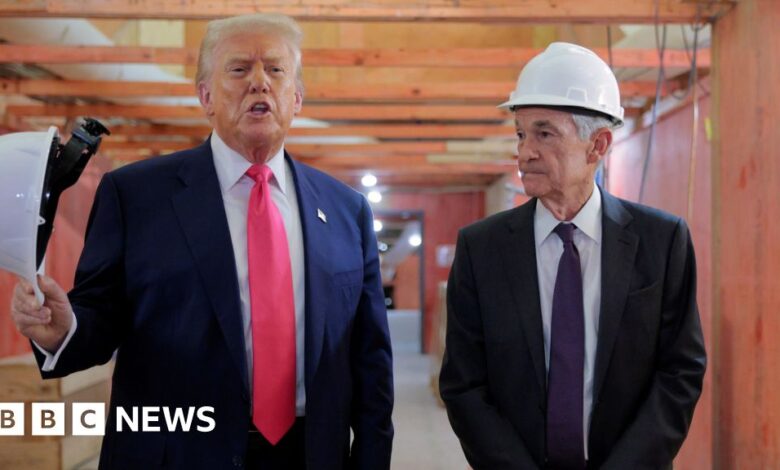
The US central bank has once again decided to keep interest rates unchanged, despite pressure from President Donald Trump to lower borrowing costs. The Federal Reserve’s key lending rate remains between 4.25% and 4.5%, where it has been since December.
This decision, while widely expected, did see two members of the board voting against the plan, indicating a growing support for lower rates. This comes as new economic data continues to spark debate over the impact of Trump’s tariffs on the economy.
The latest figures show that the US economy grew at an annual rate of 3% in the April-June period, following a contraction in the first three months of the year. However, this growth was primarily driven by a significant drop in imports as the tariffs took effect.
Jim Thorne, chief market strategist for Wellington-Altus Private Wealth, emphasized that despite the headline number, the underlying data suggests that the economy is losing momentum. The Fed typically lowers interest rates during economic downturns and raises them if inflation accelerates too rapidly.
While policymakers at the Fed had indicated earlier in the year that they were considering lowering borrowing costs, they have held off due to concerns about the impact of tariffs and other policies, such as tax cuts, on the economy. Inflation remains above the Fed’s 2% target, reaching 2.7% in June.
This decision marks the first time in over 30 years that two Fed policymakers have dissented from the majority. Federal Reserve Chair Jerome Powell has defended the cautious approach, citing stable job market conditions and the expected price increases resulting from tariffs.
However, delaying a rate cut poses risks as tariffs often slow economic growth by affecting sales and investment. Powell acknowledged the moderation in growth in the first half of the year, despite trade fluctuations impacting the data.
During a press conference following the decision, Powell provided few hints about a potential rate cut in September, as financial markets anticipate. He emphasized the need to wait for the full impact of tariffs to become clear and highlighted the importance of monitoring the job market for signs of damage.
President Trump has criticized the Fed for not lowering interest rates sooner, arguing that it would save the government money on debt payments and boost the housing market. Despite his calls for rate cuts, Trump has backed away from the idea of firing Powell, stating that he believes the chairman will do the right thing.
After the Commerce Department’s GDP report, Trump reiterated his call for lower rates, urging Powell, whom he has nicknamed “Mr. Too Late,” to take action. Powell defended the Fed’s stance on the housing market, clarifying that the Fed does not set mortgage rates and pointing to other factors influencing them, such as US government borrowing costs.