Fed meeting minutes reveal deep splits on December rate cut decision
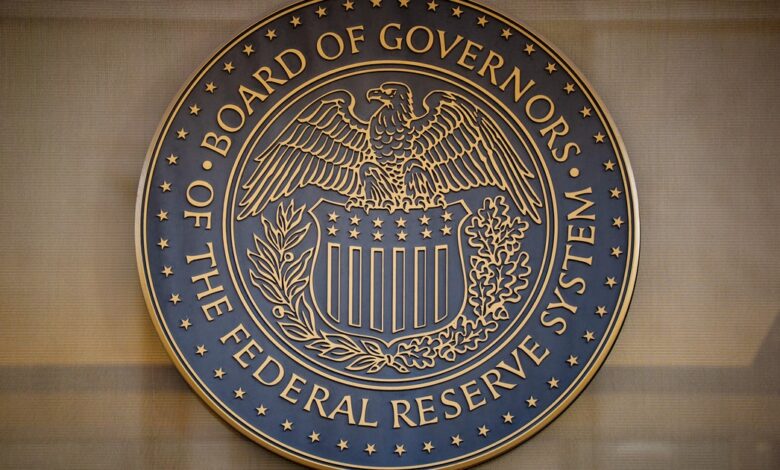
The recent release of minutes from the Federal Reserve’s December 9-10 meeting has shed light on the divisions and uncertainties within the central bank. While Fed officials ultimately decided to cut their key interest rate by a quarter point to 3.6%, the lowest in nearly three years, the decision was not unanimous. In fact, the vote was 9-3, with two officials supporting keeping the rate unchanged and one advocating for a larger half-point reduction.
The minutes reveal a deep split among the 19-member policymaking committee regarding the biggest threats to the economy: weak hiring or elevated inflation. Some officials believe that a sluggish job market necessitates further rate cuts, while others are concerned about persistently high inflation and advocate for maintaining or even raising rates.
One point of contention among Fed officials was the lack of up-to-date economic data due to the six-week government shutdown. Some members expressed reservations about making further moves without more accurate information on jobs, inflation, and growth.
The dissenting voices in favor of keeping rates unchanged were Jeffrey Schmid, president of the Federal Reserve Bank of Kansas City, and Austan Goolsbee, president of the Chicago Fed. Fed governor Stephen Miran, appointed by President Trump in September, pushed for a larger rate cut.
The release of quarterly economic projections at the December meeting highlighted the varying opinions within the Fed committee. While seven officials projected no cuts in 2026, eight forecasted two or more reductions, and four supported just one cut.
A weaker job market, as evidenced by recent job losses and a rising unemployment rate, could prompt the Fed to act more swiftly in reducing borrowing costs. However, inflation remains above the Fed’s 2% target, posing a challenge for future rate decisions. Federal Reserve Chairman Jerome Powell emphasized concerns about the job market’s weakness, stating that revisions to job data could reveal even more significant downside risks.
Overall, the Fed’s decision to cut rates reflects the complex economic landscape and differing viewpoints within the central bank. As the year progresses, further data and economic developments will shape future monetary policy decisions.