Fed votes to reappoint all of its regional bank presidents
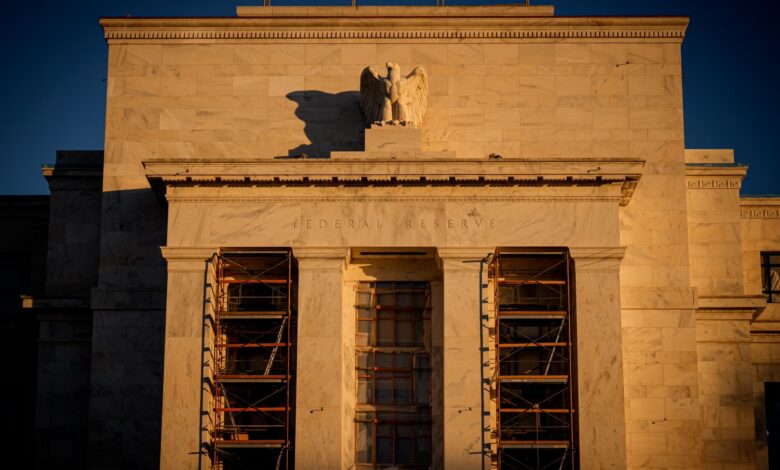
The Federal Reserve recently made the decision to reappoint 11 out of 12 regional bank presidents, in a move that came earlier than expected. The decision was made by unanimous vote by the seven governors, who oversee the central bank’s operations. This group of officials also includes first vice presidents at the regional branches located across the United States. However, the Atlanta Fed president, Raphael Bostic, will be retiring in February and was not included in the reappointments.
The regional reserve banks operate independently and hire their own presidents, but their appointments are subject to approval by the board in Washington, D.C. These presidents serve five-year terms, starting on March 1, 2026, and can be removed by the board at any time. Typically, the Fed announces reappointments closer to the expiration date of the terms, which historically end in years ending in one or six.
Speculation arose about whether President Donald Trump would try to exert more control over the rate-setting process by removing certain regional presidents. The Federal Open Market Committee, which sets the central bank’s key interest rate, includes the chair, the six governors, the New York Fed president, and four other rotating regional presidents. Despite these concerns, the unanimous vote for reappointment included Governor Stephen Miran, a recent Trump appointee.
Treasury Secretary Scott Bessent raised concerns about the disproportionate influence of New York on the Fed, as several presidents are from the city but serve in other regions. Bessent suggested a rule that would require regional presidents to be residents of their district for three years before taking office.
Overall, the reappointment of the regional bank presidents signals continuity at the Federal Reserve, with a mix of experienced officials and new appointees contributing to the decision-making process. The central bank plays a crucial role in shaping monetary policy and maintaining financial stability in the United States.