Fed won’t get key inflation data before next rate decision as BLS cancels October CPI release
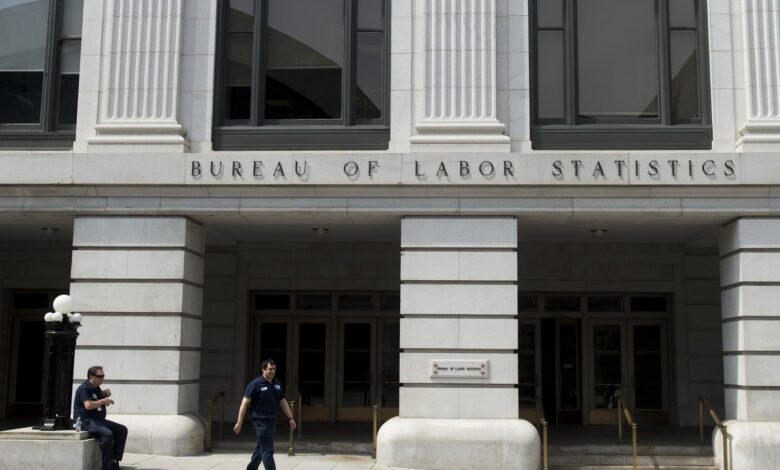
The U.S. Bureau of Labor Statistics (BLS) plays a crucial role in measuring labor market activity, working conditions, and price changes in the economy. However, the recent government shutdown has caused some disruptions in the release of key inflation data, impacting the Federal Reserve’s decision-making process regarding interest rates.
The BLS announced the cancellation of the October consumer price index (CPI) release, originally scheduled for November 7. This decision was made due to the inability to “retroactively collect” certain survey data during the shutdown. As a result, the November CPI data, initially set for release on December 10, will now be delayed until December 18, after the Fed’s decision on interest rates.
Data collectors at the BLS gather information for the CPI through various methods, including personal visits and phone calls, which were not possible during the shutdown. Online data collection and household surveys were also affected, making it challenging to collect information retroactively.
In addition to the CPI delay, the Commerce Department’s Bureau of Economic Analysis announced the rescheduling of another key inflation measure, the personal consumption expenditures price index (PCE). The PCE price index, used by the Fed as its main inflation forecasting tool, was originally set for release on November 26, but no firm date has been announced for its rescheduling.
The Fed has expressed concerns about operating in a “data fog” as it formulates monetary policy. While a quarter percentage point rate cut was approved in late October, minutes from the meeting revealed uncertainties due to incomplete data. Fed Chair Jerome Powell emphasized the need for caution and careful evaluation of available data in light of the uncertainty caused by the shutdown.
Despite the data challenges, some Fed officials, such as New York Fed President John Williams, believe there is room for further rate adjustments in the near future. Governor Christopher Waller has also expressed confidence in policymakers’ ability to make informed decisions despite the data drought.
As the Fed navigates through this period of uncertainty, it remains committed to collecting and analyzing all available data to make informed decisions regarding interest rates and monetary policy. The delays in key economic indicators highlight the impact of the government shutdown on data collection and decision-making processes.