Federal food aid will not go out starting Nov. 1 amid government shutdown, Trump administration says
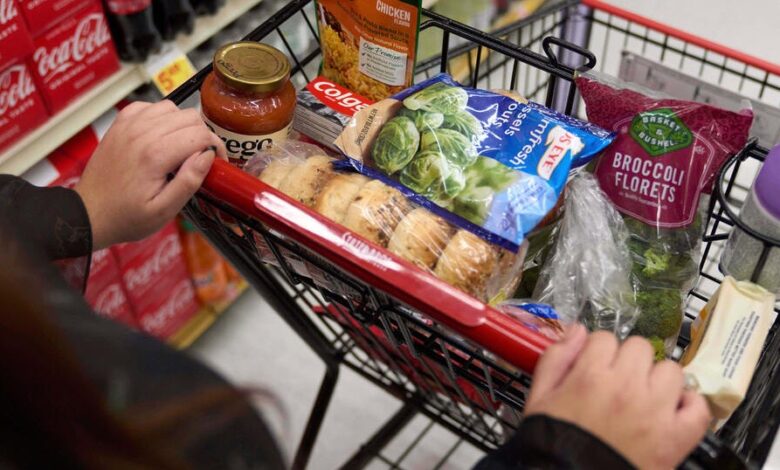
The U.S. Department of Agriculture recently announced on its website that federal food aid will not be distributed on November 1, due to the ongoing government shutdown. This decision has raised concerns for families across the country who rely on programs like the Supplemental Nutrition Assistance Program (SNAP) to purchase groceries. SNAP benefits help approximately 1 in 8 Americans afford essential food items.
Despite the Trump administration’s previous efforts to ensure SNAP benefits were paid during the shutdown, the decision not to use contingency funds to continue benefits into November has created a new sense of urgency. The shutdown, now the second-longest on record, has put pressure on both parties to find a resolution before the impact on vulnerable populations becomes more severe.
The administration has pointed fingers at Democrats, insisting that they must agree to reopen the government before negotiations can take place. Democrats, on the other hand, are demanding bipartisan discussions on extending subsidies under the Affordable Care Act before agreeing to a government reopening. House Minority Leader Hakeem Jeffries emphasized the need for Republicans to come to the negotiating table to find a bipartisan solution.
In response to the potential cutoff of benefits, Democratic lawmakers have urged Agriculture Secretary Brooke Rollins to use contingency funds to cover next month’s benefits. However, a USDA memo revealed that these funds are not legally available for regular benefits and are reserved for disaster relief efforts. The memo highlighted the importance of having funds readily available for emergencies like Hurricane Melissa.
States, regardless of political affiliation, have expressed deep concerns about the impact of families not receiving food aid. Some states have vowed to continue providing SNAP benefits even if the federal program stops payments, but there are uncertainties surrounding the legality and reimbursement for such actions. Other states, like Arkansas and Oklahoma, are advising SNAP recipients to prepare for a potential halt in benefits by identifying alternative sources of food assistance.
Democratic Senator Chris Murphy of Connecticut criticized Republicans and President Trump for their refusal to engage in negotiations. He emphasized that a quick resolution could prevent a crisis in the food stamp program and reopen the government without further delay.
As the impasse continues, it is crucial for both parties to prioritize the well-being of families dependent on federal food aid and work towards a swift resolution to the government shutdown. The uncertainty surrounding SNAP benefits serves as a reminder of the broader implications of political gridlock on the most vulnerable members of society.