Federal judge orders DOJ, DHS to stop ‘prejudicial’ statements about Abrego Garcia and his case
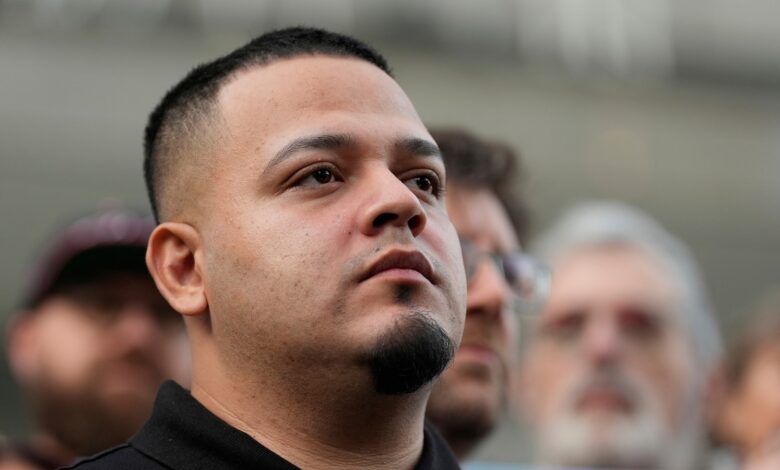
A federal judge overseeing the criminal case of Kilmar Abrego Garcia in Tennessee has issued a directive to officials from the Department of Homeland Security and the Department of Justice, instructing them to refrain from making prejudicial statements about the defendant. U.S. District Judge Waverly Crenshaw warned that employees who fail to comply with this directive may face sanctions.
In a memorandum opinion, Judge Crenshaw expressed concern over extrajudicial statements made by government officials, including DHS Secretary Kristi Noem, which he deemed troubling and inaccurate. Specifically, he cited claims that Abrego Garcia is a member of the notorious gang MS-13. The judge emphasized that prejudicial statements about Abrego Garcia’s character, reputation, and criminal record could impact the criminal prosecution.
Furthermore, Judge Crenshaw criticized Trump administration officials for violating a local court rule that restricts government employees from commenting on ongoing criminal cases. He ordered the U.S. attorney’s office for the Middle District of Tennessee to inform DOJ and DHS employees about this rule to prevent future violations.
In a separate order, the judge demanded that the government provide documents under seal to the court regarding its shift in approach from “deport but not prosecute” to “prosecute and then deport” Abrego Garcia. While acknowledging that such internal documents are typically non-discoverable, Judge Crenshaw emphasized the unique circumstances of this case.
The judge raised concerns about the motivations behind Abrego Garcia’s prosecution, suggesting that it may have been influenced by retaliation for his exercise of constitutional rights in a previous immigration case in Maryland. He questioned Acting U.S. Attorney Robert McGuire’s handling of the case and requested clarification on how it came to his attention after being closed by DHS.
Additionally, Judge Crenshaw ordered the government to disclose any emails between the Deputy Attorney General’s Office and McGuire’s office regarding Abrego Garcia’s prosecution earlier this year. He deemed this information crucial in evaluating a potential motion to dismiss for vindictive prosecution.
The case involving Abrego Garcia, who was deported to El Salvador despite a court order barring his deportation due to fear of persecution, has been marred by controversy. Accused of human smuggling upon his return to the U.S., Abrego Garcia has pleaded not guilty to the charges. Amid legal battles and conflicting actions by immigration authorities, his fate remains uncertain.
As the legal proceedings unfold, the court’s scrutiny of government conduct and the handling of Abrego Garcia’s case underscores the complexities and challenges inherent in navigating the intersection of immigration, criminal justice, and constitutional rights. The upcoming hearings promise further insights into the intricacies of this high-profile case.