Federal Reserve, Powell face challenges in 2026
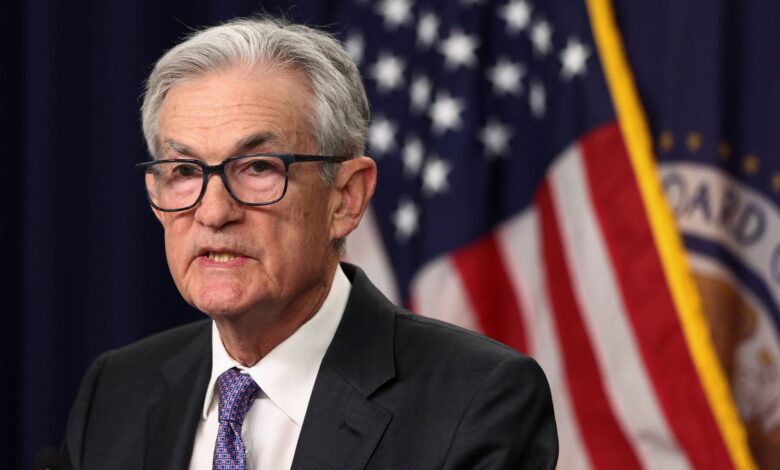
The Federal Reserve is gearing up for a challenging year in 2026, with a new chair at the helm and a complex economic landscape that will require careful navigation. Following a series of interest rate cuts in the previous year, the central bank is expected to proceed cautiously in light of solid growth and ongoing inflation pressures.
The year ahead promises to be filled with intrigue and uncertainty, as the Fed continues to face scrutiny from various quarters. With the spotlight firmly on the central bank, policymakers will need to make crucial decisions that could have far-reaching implications for the economy.
The tumultuous events of the past year, including threats to fire Fed Chair Jerome Powell and controversies over renovation costs and personnel changes, have set the stage for a challenging start to 2026. The upcoming Supreme Court hearing on the removal of Governor Lisa Cook, the interest rate vote by the Federal Open Market Committee, and the selection of a new Fed chair all add to the complexity of the situation.
Despite these challenges, most experts believe that the Fed will stay focused on its policy objectives and continue to gradually lower interest rates until they reach a neutral level around 3%. Chair Powell’s leadership in orchestrating three consecutive rate cuts has set the tone for further monetary easing, with the central bank closely monitoring economic data to guide its decisions.
The role of artificial intelligence (AI) in shaping economic growth will be another key factor for the Fed to consider in the year ahead. As AI technology becomes increasingly integrated into the economy, the central bank will need to assess its impact on productivity, hiring, and overall economic performance.
With the economy showing signs of resilience and AI-related stocks driving market gains, the Fed faces the challenge of calibrating its monetary policy to support growth while ensuring financial stability. Communicating a clear strategy in a rapidly evolving technological landscape will be essential for the central bank to navigate the complex economic environment.
As the Fed prepares to tackle these challenges in 2026, policymakers will need to remain vigilant and adaptable in their approach to monetary policy. With the spotlight firmly on the central bank, the decisions made in the year ahead will have a significant impact on the trajectory of the economy. The COVID-19 pandemic has brought about unprecedented challenges to societies around the world. From economic downturns to overwhelmed healthcare systems, the impact of the virus has been far-reaching and long-lasting. As countries continue to struggle with containing the spread of the virus and managing its effects, it has become increasingly clear that a coordinated global response is needed to combat the pandemic effectively.
One of the key issues that have emerged during the pandemic is the need for better international cooperation and coordination. While individual countries have taken measures to control the spread of the virus within their borders, the lack of a unified global response has hindered efforts to combat the pandemic on a larger scale. Without a coordinated approach to testing, contact tracing, and vaccine distribution, the virus continues to pose a threat to communities around the world.
Another challenge that has arisen during the pandemic is the unequal distribution of resources and healthcare services. In many countries, healthcare systems have been overwhelmed by the influx of COVID-19 patients, leading to shortages of medical supplies, hospital beds, and healthcare workers. This has disproportionately affected marginalized communities and low-income countries, where access to healthcare services is already limited.
In order to address these challenges, it is crucial for countries to work together to develop a coordinated global response to the pandemic. This includes sharing information and best practices, coordinating efforts to distribute vaccines and medical supplies, and providing support to countries that are struggling to contain the spread of the virus. By working together, countries can ensure that everyone has access to the resources and support they need to combat the pandemic effectively.
In addition to improving international cooperation, it is also important for countries to prioritize equity and inclusivity in their response to the pandemic. This means ensuring that marginalized communities have access to healthcare services, testing, and vaccines, and that efforts to control the spread of the virus do not exacerbate existing inequalities. By prioritizing equity and inclusivity, countries can ensure that everyone has the opportunity to stay safe and healthy during the pandemic.
As the COVID-19 pandemic continues to evolve, it is clear that a coordinated global response is needed to combat the virus effectively. By working together and prioritizing equity and inclusivity, countries can ensure that everyone has access to the resources and support they need to stay safe and healthy during these challenging times. With a united effort, we can overcome the challenges posed by the pandemic and build a healthier, more resilient world for future generations.