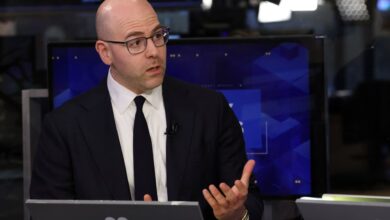
Fed’s Goolsbee says he’s uncomfortable front-loading too many rate cuts
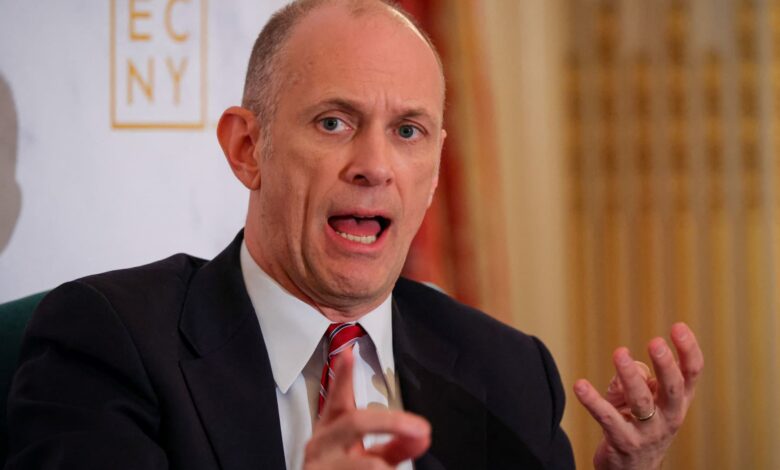
Chicago Federal Reserve President Explains Dissent on Interest Rate Cut
Chicago Federal Reserve President Austan Goolsbee recently spoke out about his decision to vote against this week’s interest rate cut, emphasizing the need for more information before further easing. In an interview with CNBC’s “Squawk Box,” Goolsbee expressed his optimism for lower rates in 2026 but voiced concerns about inflation trends.
As one of three Federal Open Market Committee members to oppose the quarter percentage point reduction, Goolsbee highlighted the lack of progress on inflation as a key factor in his decision. Despite acknowledging the potential for future rate cuts, he stressed the importance of waiting for additional data to inform policy decisions.
Recent inflation readings showing a rate of 2.8% above the Fed’s 2% target added to Goolsbee’s reservations about the timing of the rate cut. He pointed to prolonged inflation levels above the target and recent concerning readings on services inflation as reasons for caution.
In a post on the Chicago Fed’s website, Goolsbee explained his dissent, noting his preference for waiting to gather more information, particularly on inflation, before further rate reductions. While he will not be a voter on the FOMC in 2026, he will continue to participate in meetings.
During the CNBC interview, Goolsbee elaborated on his concerns about cutting rates too quickly, emphasizing the stability of the labor market despite other officials’ worries about its weakening. He underscored the importance of ensuring a return to 2% inflation before implementing further rate cuts.
The FOMC’s decision to lower the benchmark rate to a range between 3.5% – 3.75% sparked debate among members, with six of the 19 participants expressing opposition to the cut. Goolsbee’s stance aligns with his belief in the need for a more cautious approach to monetary policy given the current economic conditions.
Overall, Goolsbee’s dissent reflects a nuanced perspective on the complex factors influencing the Fed’s decision-making process. With a focus on balancing inflation concerns and economic momentum, his stance highlights the ongoing challenges facing policymakers in navigating uncertain economic waters.