Fed’s Miran sees China trade tensions as a further reason for quick interest rate cuts
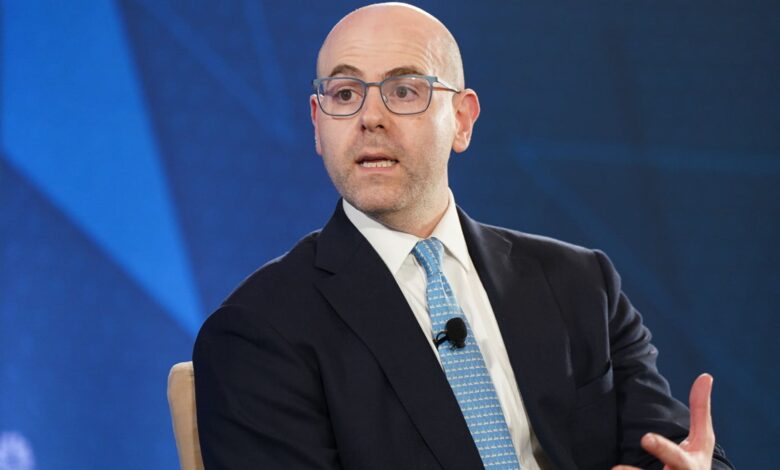
Federal Reserve Governor Stephen Miran recently expressed concerns about the ongoing trade tensions between the U.S. and China, stating that the current impasse poses new risks to the economic outlook. Speaking at the CNBC “Invest in America Forum” in Washington, D.C., Miran highlighted the potential threat posed by China’s decision to restrict access to rare earths materials, which led to a threat from President Donald Trump to impose 100% tariffs on Chinese imports.
Miran emphasized that the escalating trade dispute has heightened levels of uncertainty, which could have negative implications for economic growth. He noted that this uncertainty comes at a time when it had previously appeared to be dissipating, leading to a more optimistic growth outlook. However, with China reportedly reneging on previously agreed deals, Miran believes that policymakers need to consider the introduction of new risks to the economy.
From a policy perspective, Miran emphasized the importance of the Federal Reserve taking decisive action through interest rate cuts. Despite only having been on the Fed for a short period, Miran has already advocated for substantial rate cuts totaling 1.25 percentage points, in addition to the quarter-point reduction approved by the Federal Open Market Committee in September.
Miran emphasized that with current policy being perceived as restrictive, the economy is vulnerable to shocks. He believes that a more neutral stance on interest rates is necessary to mitigate potential economic downturns resulting from external shocks. The upcoming FOMC meeting on Oct. 28-29 is expected to address these concerns, with another quarter-point reduction in interest rates widely anticipated.
In conclusion, the ongoing trade tensions between the U.S. and China have heightened economic uncertainty and underscored the need for decisive action from the Federal Reserve. Miran’s call for aggressive interest rate cuts reflects a proactive approach to addressing potential risks to the economy, ensuring stability and growth in the face of external challenges.