Feds promised “radical transparency” but are withholding rural health fund applications

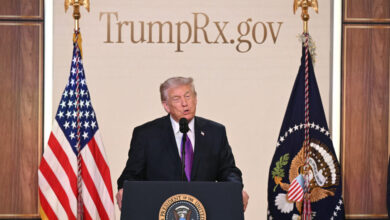
State leaders have unveiled innovative ideas for utilizing their portion of a $50 billion federal rural health program, including medication-delivering drones and telehealth services at local libraries. The Trump administration, committed to radical transparency, plans to publish project summaries for winning states. However, complete applications are not being released by many states, raising concerns among stakeholders in the rural health sector.
Alan Morgan, CEO of the National Rural Health Association, emphasized the importance of transparency in revealing how states plan to utilize the funds to improve rural healthcare. The Rural Health Transformation Program, approved by Congress as part of the One Big Beautiful Bill Act, aims to transform rural health systems rather than simply propping up struggling rural hospitals.
The distribution of the $50 billion funding will be divided equally among all states with approved applications, with the remainder allocated based on a points-based system that reflects the administration’s health objectives. Health and Human Services Secretary Robert F. Kennedy Jr. has pledged to make the agency the most transparent in its history.
Despite efforts to promote transparency, some states have withheld their complete applications, citing competitive reasons or preliminary draft status. Concerns have been raised about potential political influences on funding allocation, with Democrats fearing retaliation due to Republican leadership in some states.
Several themes emerged from the state proposals, including the expansion of home-based and mobile services, increased use of technology, and initiatives for workforce development. States like Georgia and Alabama have proposed telerobotics for remote healthcare services, while Idaho has formed work groups focusing on various healthcare aspects.
While some states have released their project narratives and budget details, others have refused to disclose any application materials. The Rural Health Transformation Program is seen as a crucial source of funding amidst projected cuts to federal Medicaid spending, which could impact rural healthcare facilities’ viability.
Despite the potential benefits of the program, challenges remain in translating aspirational goals into practical healthcare solutions. State Senator Stephen Meredith expressed skepticism about the program’s ability to prevent rural hospital closures. The road ahead for rural healthcare transformation will require collaboration, innovation, and a commitment to transparency to ensure the best outcomes for rural communities.