Females Involved In 67% Of Correctional Staff Sexual Misconduct
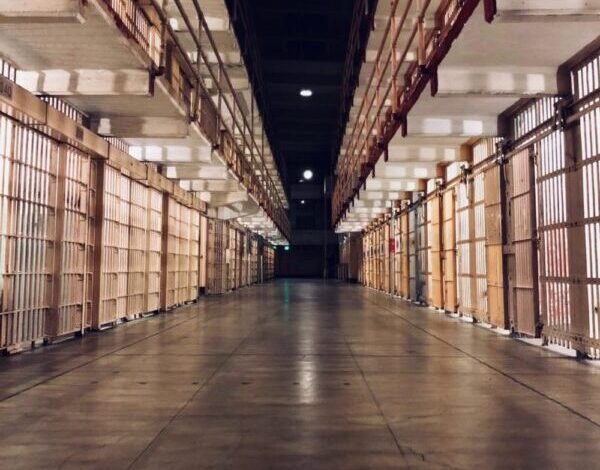
The topic of staff sexual misconduct within the justice system is a complex and often overlooked issue. According to data from the Bureau of Justice Statistics (BJS), a surprising statistic emerges – the majority of staff sexual misconduct perpetrators are female. This revelation challenges traditional perceptions of gender dynamics within criminal justice settings.
The BJS defines staff sexual misconduct as encompassing both consensual and non-consensual sexual behavior or acts by staff towards inmates. This includes romantic relationships that may occur within custodial settings. It is crucial to differentiate between sexual misconduct and sexual assault, as the former may involve seemingly consensual relationships that are actually coercive due to the power imbalance inherent in such environments.
While the data indicates a higher percentage of female staff engaging in sexual misconduct, it does not necessarily translate to a majority of sexual assaults being committed by female staff. The nuances of these interactions, including the potential for exploitation or coercion, highlight the complexities of addressing and preventing staff-inmate relationships.
Media coverage often sensationalizes high-profile cases involving female staff, perpetuating stereotypes and misconceptions about the prevalence of such incidents. The increasing presence of female correctional officers in prisons and jails also plays a role in shaping perceptions and dynamics within these institutions.
The motivations behind female staff engaging in sexual relationships with inmates are multifaceted. Correctional staff and investigators suggest that factors such as protection, coercion, and power dynamics contribute to these behaviors. The challenges of maintaining security and managing inmate interactions further complicate the issue.
While it is essential to address and prevent staff sexual misconduct, it is equally important to recognize the broader context in which these incidents occur. Understanding the complexities of power dynamics, gender roles, and institutional dynamics is crucial for developing effective strategies to prevent and address staff-inmate relationships.
In conclusion, the issue of staff sexual misconduct in the justice system warrants further exploration and discussion. By addressing the underlying factors and dynamics that contribute to these incidents, we can work towards creating safer and more secure environments for both staff and inmates. An explosion of violence threatens everyone in the correctional system, creating a dangerous environment for both inmates and staff. Correctional officers are constantly warned about the need to address troublemakers within the prison, as failing to do so may lead to inmates taking matters into their own hands. It is suggested that female correctional officers may be better equipped to handle verbal interactions in these situations.
However, there is a troubling trend of a small minority of female correctional officers engaging in sexual misconduct with inmates, often on a consensual basis. These actions are unacceptable and can lead to further security risks within the institution. Despite the challenges, most correctional facilities manage to maintain peace most of the time, despite the complex dynamics at play.
Prisons and jails are intricate environments with a multitude of factors at play, including histories of violence, mental illness, substance abuse, and trauma among inmates. The ability of correctional staff to navigate these complexities is crucial in maintaining order and security within these facilities.
It is important to recognize the challenges faced by correctional staff and the need for appropriate training and support to address the underlying issues that contribute to violence and misconduct within the system. By working together to address these issues, we can create a safer and more secure environment for both inmates and staff.