FIFA says it has an agreement with soccer players’ unions for minimum rest standards
FIFA and Players’ Representatives Agree on Rest Periods and Holidays
In a significant development for player welfare, FIFA has announced that players’ representatives and the governing body have reached a consensus on the need for a minimum rest period of 72 hours between matches. Additionally, it has been agreed that players should enjoy a minimum of 21 days of holidays at the end of each season.
The discussions took place on the eve of the Club World Cup final between PSG and Chelsea. The tournament, held during the European offseason, has faced criticism from unions due to concerns about player welfare and safety. Calls for mandatory rest periods and a greater emphasis on player safety during matches have been growing.
Days before the start of the month-long Club World Cup, soccer chiefs faced renewed calls to safeguard players over fears of injuries and burnout. France’s union of professional soccer players has been vocal in their criticism of the competition, labeling it a “massacre” due to extreme player workloads.
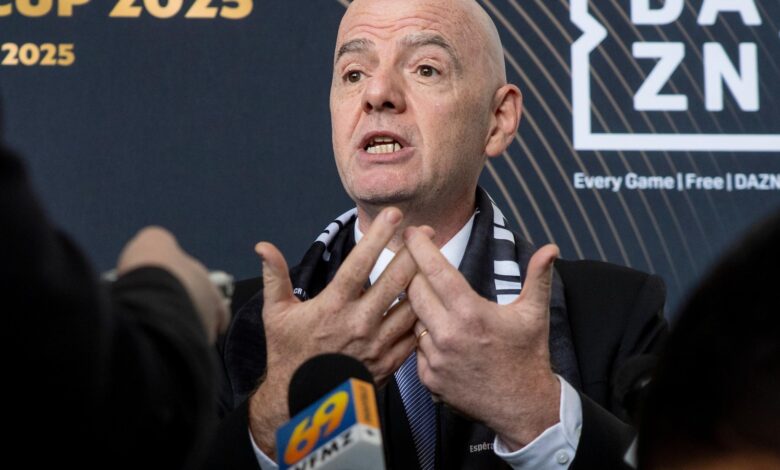
FIFA president Gianni Infantino and other officials met with representatives of players’ unions from around the world in New York. The discussions were hailed as “progressive,” with FIFA emphasizing that players’ health is a top priority.
According to FIFA, there is now a consensus that there should be a minimum of 72 hours of rest between matches and that players should have a rest period/holiday of at least 21 days at the end of each season. The management of this period will be done individually by each club and the respective players, taking into account match calendars and collective agreements.
Enforcing a strict 72-hour rest period could potentially lead to adjustments in game schedules and TV deals. The impact on European teams playing in the Europa League, who often play domestic league games shortly after European fixtures, remains to be seen.
FIFA has also highlighted the importance of allowing players a rest day per week and considering travel demands and climate conditions in future competition planning. The Club World Cup, involving 32 of the world’s top teams, has faced challenges since its announcement, including legal challenges in Europe, strike threats, and concerns over players’ mental and physical welfare.
The agreement between FIFA and players’ representatives marks a significant step towards prioritizing player well-being in the world of football. This move is likely to have a lasting impact on the scheduling of matches and the overall management of players’ workload.