Figure skaters with disabilities seek a place in the Paralympic spotlight
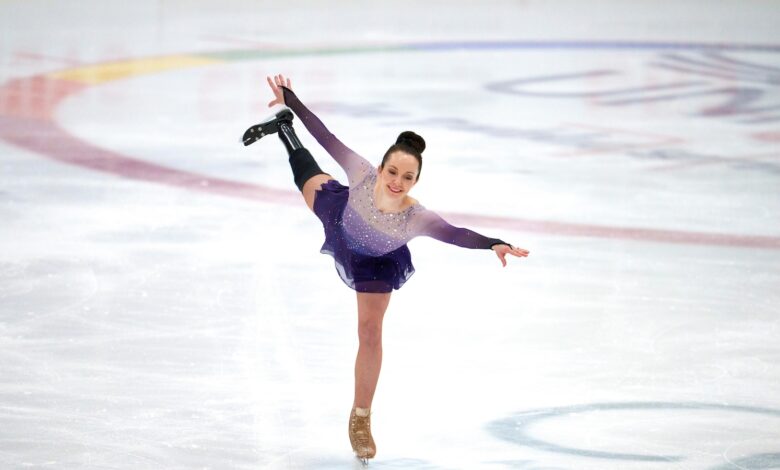
Stef Reid, a renowned long jumper, found herself in unfamiliar territory when she had to master the art of landing on ice. This unexpected journey led her to become a driving force in the movement advocating for the inclusion of figure skating in the Paralympics.
The absence of skating sports in the Winter Paralympics has left a significant void in the program. Figure skaters with disabilities challenge conventional norms in a sport that often adheres to rigid standards of appearance and performance.
Reid’s transition to figure skating was unconventional yet inspiring. As an amputee athlete with three Paralympic medals in track and field, she received a surprising invitation to participate in the 2022 season of the celebrity skating show, “Dancing On Ice.”
Having to adapt to a new sport meant that Reid, who uses a prosthetic right leg due to a boating accident at 15, had to train her hip muscles to compensate for the functions typically performed by knees and ankles in other skaters. With the help of her prosthetist, she developed a specialized leg that enabled her to glide gracefully across the ice.
Despite initial challenges and setbacks, Reid persevered and eventually made it to the quarterfinals of “Dancing On Ice,” captivating a national audience with her determination and skill. Subsequently, she emerged as a prominent competitor in Inclusive Skating, a leading organization advocating for the recognition of figure skating in the Paralympics.
Inclusive Skating, founded by Margarita Sweeney-Baird, aims to promote skating for individuals with disabilities and create a more inclusive environment within the sport. The organization has developed innovative approaches to judging and competition formats to accommodate skaters with varying abilities and needs.
The road to Paralympic recognition for figure skating involves overcoming logistical, financial, and classification challenges. However, the potential benefits, including increased funding and global recognition, make the efforts worthwhile for advocates like Sweeney-Baird and Reid.
As the push for Paralympic inclusion continues, skaters leverage social media platforms to raise awareness, share insights, and connect with the broader community. Reid’s social media presence, with over 46,000 followers on Instagram, serves as a platform to document her skating journey and inspire others to pursue their passions.
The journey towards Paralympic recognition for figure skating is ongoing, with stakeholders actively exploring ways to enhance diversity and excellence within the sport. Through collaboration, innovation, and advocacy, individuals like Stef Reid and Margarita Sweeney-Baird are paving the way for a more inclusive and diverse future in figure skating.
___
AP sports: https://apnews.com/sports