Fine against Southwest Airlines for 2022 winter storm cancellations waived by Department of Transportation
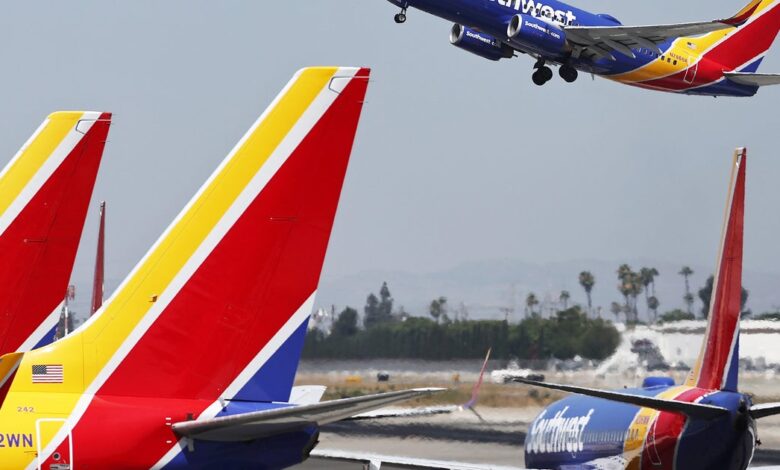
The U.S. Department of Transportation has made a decision to waive a portion of the fine imposed on Southwest Airlines following the cancellation of numerous flights during a severe winter storm in 2022. As part of a settlement reached in 2023 under the Biden administration, Southwest agreed to a hefty $140 million civil penalty. This penalty was deemed as the largest ever imposed on an airline for violating consumer protection laws, with a majority of the funds allocated towards compensating affected travelers. However, Southwest also agreed to pay $35 million to the U.S. Treasury, with payments of $12 million made in 2024 and earlier this year.
In a recent development, the Transportation Department issued an order on Friday to waive the final $11 million payment that was due on January 31, 2026. This decision was based on the significant improvements in Southwest’s on-time performance and investments in network operations. The Department stated that this approach is in the public interest as it incentivizes airlines to enhance their operations and resilience, ultimately benefiting consumers directly. By allowing the airline to receive credit for its investments, the public reaps the benefits rather than imposing a monetary penalty on the government.
The incident that led to the hefty fine occurred during a winter storm in December 2022, which severely disrupted Southwest’s operations in Denver and Chicago. The situation escalated when a crew-rescheduling system failed to cope with the chaos, resulting in the cancellation of 17,000 flights and leaving over 2 million travelers stranded. The Biden administration found that Southwest had violated the law by neglecting to assist customers who were stranded in airports and hotels, forcing many to find alternative flights. The overwhelmed customer service center left many callers waiting on hold for hours or receiving busy signals.
Even prior to the settlement, Southwest disclosed that the crisis had cost the airline more than $1.1 billion in refunds, reimbursements, additional expenses, and lost ticket sales over several months. This incident highlighted the importance of airline compliance with consumer protection laws and the necessity for airlines to prioritize customer assistance and support during unforeseen disruptions.
As Southwest Airlines continues to work towards enhancing its operations and customer service, the waiver of the final payment serves as a recognition of the airline’s efforts to improve. The Department of Transportation’s decision reflects a balanced approach that encourages airlines to invest in operational improvements, ultimately benefiting the traveling public.