Fire smoke exposure may alter the immune system, even in healthy individuals
Smoke exposure is a significant health concern, as it can have detrimental effects on the immune system. A recent study conducted by researchers at Harvard T.H. Chan School of Public Health has shed light on how fire smoke exposure can alter the immune system on a cellular level, even in healthy individuals.
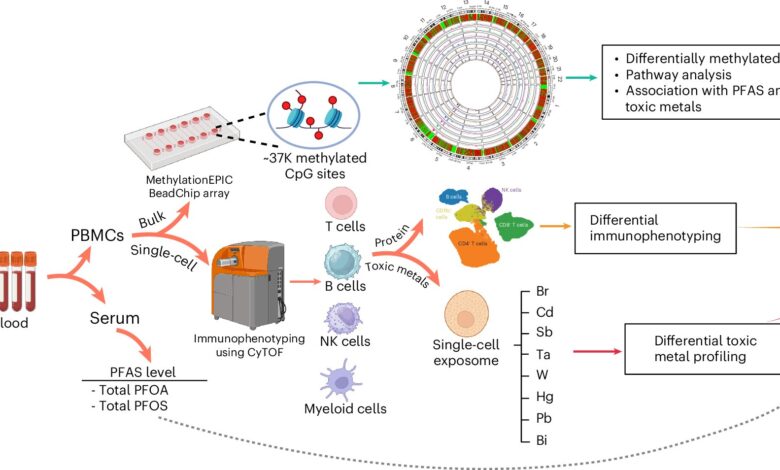
The study, published in Nature Medicine, focused on two cohorts of adults: 31 individuals who had been exposed to smoke, including firefighters and civilians, and 29 non-smoke-exposed individuals. By using cutting-edge single-cell -omic techniques and bioinformatic analytical tools, the researchers were able to examine individual cells within each blood sample and identify specific cellular changes associated with smoke exposure.
The findings revealed that smoke-exposed individuals exhibited an increase in memory CD8+ T cells, as well as elevated activation and chemokine receptor biomarkers within multiple cell types. Additionally, changes in genes related to allergies and asthma were observed in those exposed to smoke, along with an increased presence of toxic metals in their immune cells.
Lead author Mary Johnson emphasized the sensitivity of the immune system to environmental exposures like fire smoke, highlighting the importance of early detection of immune dysfunction from smoke exposure. This knowledge could potentially lead to the development of new therapeutics to mitigate the health effects of smoke exposure and environmental contaminants.
Furthermore, the study may inform environmental and public health policies, as understanding the specific ways in which smoke exposure harms the body can help in enhancing public health campaigns and evacuation procedures during wildfires. The researchers also suggested reevaluating the levels of smoke exposure considered toxic based on their findings.
The study underscores the need for further research and awareness regarding the impact of smoke exposure on the immune system. By gaining a deeper understanding of these effects, clinicians and public health leaders can better address the health risks associated with toxic wildfires and other sources of smoke exposure.
In conclusion, the study conducted by Harvard T.H. Chan School of Public Health provides valuable insights into the immune impacts of fire smoke exposure, highlighting the importance of proactive measures to protect individuals from the harmful effects of smoke on their immune systems.