First Reported Alpha-Gal Syndrome Death, Meat Allergy From Tick Bite
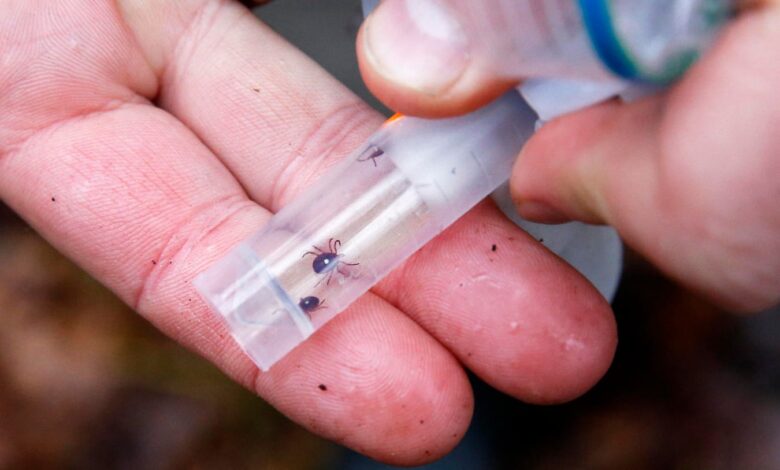
Ticks are becoming more of a concern in the United States as they continue to spread and pose a risk to human health. The recent case of a 47-year-old airline pilot from New Jersey who died from alpha-gal syndrome highlights the potential dangers associated with tick bites. Alpha-gal syndrome is a condition that can develop after being bitten by a tick carrying alpha-gal sugar, leading to allergic reactions to red meat and other products containing the sugar.
The case of the New Jersey man took some time to diagnose, as his symptoms were initially mysterious. It was only after a thorough investigation that doctors were able to identify alpha-gal syndrome as the cause of his death. This condition can cause a range of reactions, from mild to severe, including skin rashes, gastrointestinal issues, respiratory problems, cardiovascular issues, and even life-threatening reactions.
Alpha-gal syndrome is not well-known among healthcare professionals, making it challenging to diagnose. It is essential to be aware of any potential allergic reactions and stay vigilant for tick bites, as ticks can be difficult to detect. Blood tests can help identify the presence of alpha-gal antibodies and confirm a diagnosis of the syndrome.
Once diagnosed with alpha-gal syndrome, it is crucial to avoid foods and products that may trigger allergic reactions. This includes red meat, dairy products, and medications containing gelatin. Carrying an Epi-Pen and keeping antihistamines on hand can help manage severe reactions. Additionally, preventing further tick bites is essential, as repeated exposure can lead to more severe allergic reactions.
The risk of alpha-gal syndrome is growing as the lone star tick, the primary carrier of the condition, spreads across the United States. Climate change is contributing to the expansion of tick populations, making it necessary to take precautions year-round to prevent tick bites. Pet owners should also be mindful of tick prevention for their animals, as pets can bring ticks into the home.
Recent data suggests a significant increase in cases of alpha-gal syndrome, signaling a concerning trend. Scientists have been urging action to address the rising threat of tick-borne illnesses, but there has been a lack of urgency from policymakers. It is essential to prioritize tick prevention and raise awareness of the risks associated with tick bites to protect public health.