Five ways abolishing the tax could change the housing market
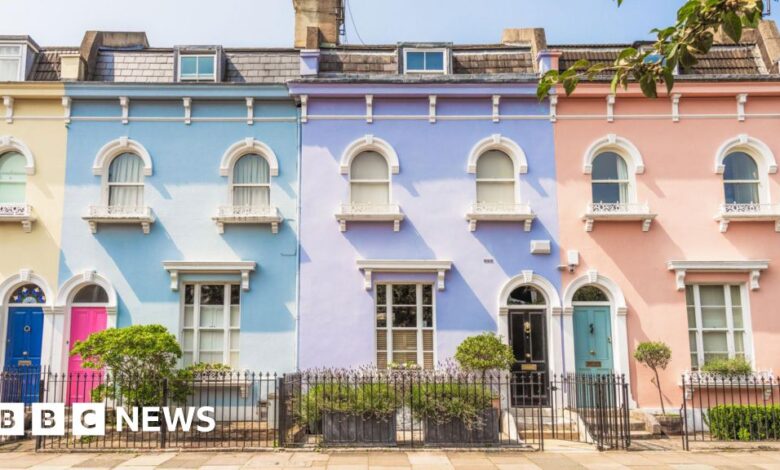
Stamp duty has been a hot topic of debate recently, with proposals for its abolition generating mixed reactions. Kemi Badenoch’s announcement at the Conservative Party conference about plans to scrap stamp duty on main homes was met with enthusiasm. There are also rumors that Chancellor Rachel Reeves is contemplating replacing it with a new system. The potential implications of eliminating stamp duty on primary residences are vast, impacting buyers, sellers, and the overall economy in the UK.
1. House prices may see a surge:
Historically, temporary reductions in stamp duty have led to a subsequent increase in house prices. It remains uncertain whether permanent abolition would have a similar long-term effect compared to short-term adjustments. However, a surge in demand could push asking prices up. Lucian Cook from Savills suggests that if stamp duty is simply abolished without any other changes, the cost might be transferred to property prices. This could result in first-time buyers paying less in stamp duty but needing a larger deposit, creating disparities across different regions in the UK.
2. Tax cut implications for the wealthy:
While many first-time buyers are exempt from stamp duty when purchasing properties up to £300,000 in England and Northern Ireland, the majority of movers end up paying the tax, which increases at specific price thresholds. Scrapping stamp duty would provide significant benefits for those purchasing higher-priced properties, potentially leading to regional variations in its impact. The North East of England currently has 76% of properties exempt from stamp duty for first-time buyers, while London has only 11%.
3. Enhanced mobility and market fluidity:
One of the primary advantages of abolishing stamp duty is the increased mobility it offers to workers, buyers, sellers, and downsizers. Stamp duty has been a major barrier for over 800,000 homeowners looking to move in recent years. The Institute for Fiscal Studies views stamp duty as a hindrance to economic growth and suggests that frequent movers between different property price brackets would benefit the most. Older homeowners looking to downsize could find it easier to sell their properties without the burden of stamp duty, making the market more dynamic.
4. Potential revenue gap and tax restructuring:
Stamp duty contributes significantly to the Treasury’s revenue, and its elimination would create a gap in public finances. Estimates suggest that the direct cost of abolishing stamp duty could be around £10.5bn to £11bn in 2029-30. The government would need to identify alternative sources of revenue or make budget cuts to compensate for the loss. The Conservatives argue that the policy would stimulate economic growth and housing sector activity, resulting in increased tax revenues. However, the possibility of raising other taxes remains on the table.
5. Impact on the rental market:
While scrapping stamp duty for primary residences could benefit homeowners, it may have repercussions for renters. The IFS predicts that landlords might be discouraged from purchasing rental properties due to the continued obligation to pay stamp duty. This could further tilt the tax advantages in favor of owner-occupation over renting, potentially reducing rental property availability.
In conclusion, the decision to abolish stamp duty on primary residences would have far-reaching effects on the housing market, economy, and tax system. While it may offer advantages to certain segments of the population, careful consideration and planning are essential to mitigate any negative consequences and ensure a smooth transition to a new tax regime.