Flash flooding threat could return in the West as Gabrielle strengthens in the Atlantic
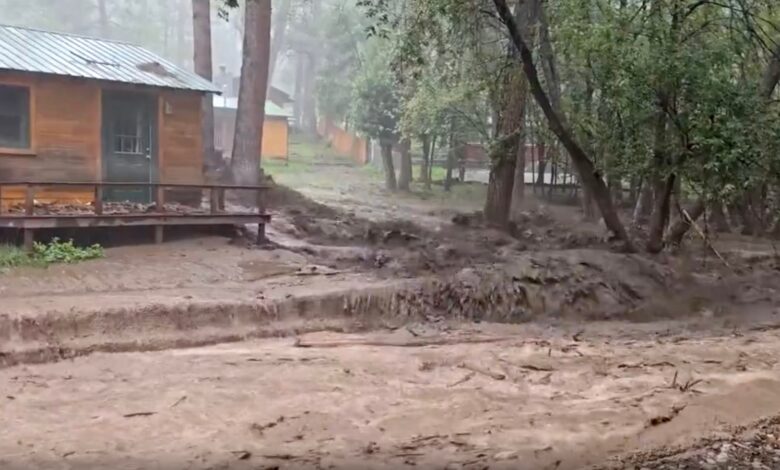
The recent deadly flooding that affected parts of the Southwest U.S. has started to ease, with no flood alerts currently in effect for the area as of Saturday evening. However, the threat of flash flooding is expected to increase once again as more monsoonal moisture moves into the region on Sunday and Monday.
A new area of low pressure is forecasted to bring additional moisture into southern California and Arizona on Sunday, raising the risk of flash flooding in these areas. While the threat level is currently considered marginal, isolated thunderstorms and heavy rainfall could still lead to localized flooding in vulnerable areas.
Over the past few days, heavy rain and flash flooding have impacted the Southwest, resulting in tragic consequences in Barstow, California, where a 2-year-old child was swept away by floodwaters after their family’s car was overtaken. The intense downpours, dropping 1 to 2 inches of rain in just an hour in some locations, caused road washouts and significant damage.
Looking ahead, the threat of flash flooding is expected to shift eastward on Monday, covering a large portion of Arizona and western New Mexico as shower activity intensifies. Areas with burn scars will be particularly susceptible to dangerous flash flooding, potentially triggering debris flows and mudslides.
In addition, the risk of flash flooding will extend across the Central U.S. from Kansas and Oklahoma to Ohio on Monday and Tuesday. Scattered showers and thunderstorms in these regions could bring heavy downpours, leading to the possibility of flooding.
Meanwhile, Tropical Storm Gabrielle continues to strengthen in the central Atlantic and is projected to become a hurricane by Sunday. While it is not expected to directly impact the U.S. mainland, Gabrielle will generate hazardous surf and rip currents along the East Coast from North Carolina to Maine.
The National Hurricane Center is also monitoring a weak tropical wave off the west coast of Africa, which has a 20% chance of development in the next seven days. As conditions in the Atlantic become more favorable for tropical activity, further development is expected in the coming weeks.
As we move further into the Atlantic hurricane season, it is essential to stay informed and prepared for any potential threats. The season runs through November 30, and vigilance is key in staying safe and protected from the impacts of severe weather events.