Florida tribe fights new ‘Alligator Alcatraz’ migrant facility near Everglades homes
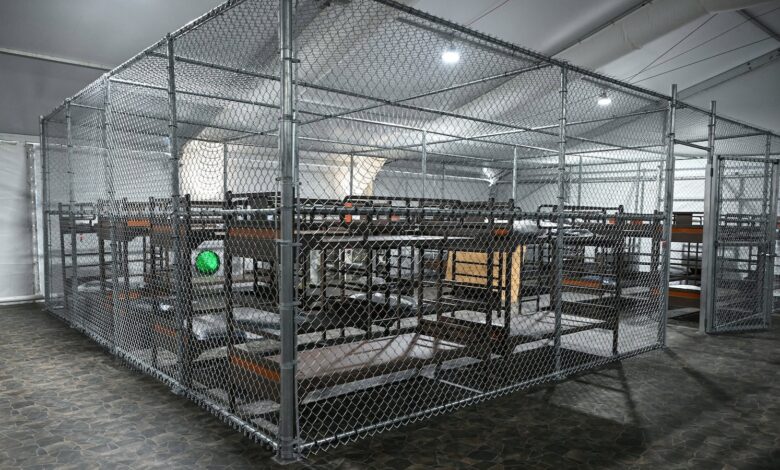
A Florida Native American leader has taken a stand against the construction of a new migrant detention facility in the Florida Everglades, which has been dubbed “Alligator Alcatraz.” Talbert Cypress, chairman of the Miccosukee Business Council, has raised concerns about the environmental and safety implications of the facility for local tribal communities.
President Trump recently visited the site and described it as a facility that will house “some of the most menacing migrants, some of the most vicious people on the planet.” The detention center, located on a remote airstrip in the Everglades, has the capacity to accommodate up to 5,000 migrants in tents and trailers.
Cypress highlighted the proximity of some tribal villages to the facility, with some located just 900 feet from the entrance. He expressed worries about the lack of environmental studies regarding the impact of the detention center on the local ecosystem, citing a study from 1974 that suggested significant consequences of introducing any airship in the area.
The facility’s location near traditional Native camps, where Miccosukee and Seminole members reside and educate on both American and Native cultures, has also raised additional concerns. Cypress emphasized concerns about safety, increased traffic, and flights in and out of the area.
During a tour with Department of Homeland Security Secretary Kristi Noem and Florida Governor Ron DeSantis, Trump highlighted the facility’s remote location and expressed that it was not a place he would want to go hiking anytime soon. The construction of “Alligator Alcatraz” continues to be a contentious issue, with environmental and safety concerns at the forefront of the debate. The Trump administration has recently unveiled a new detention center surrounded by miles of treacherous swamp land, posing a natural barrier to prevent migrants from escaping. ABC News correspondent Victor Oquendo reported on the administration’s perspective, highlighting the presence of dangerous wildlife such as alligators and pythons as an added layer of security around the facility.
President Trump sees this innovative approach as a potential model for future detention centers planned in states like Louisiana and Alabama. The administration believes that utilizing the natural environment as a deterrent will help in controlling the movement of migrants and preventing any potential security threats.
Recent data analyzed by ABC News indicates a shift in enforcement priorities, with an increase in arrests of migrants with no criminal record. However, the Department of Homeland Security (DHS) countered this claim by stating that 70% of ICE arrests were of migrants with a criminal record, emphasizing the continued focus on targeting individuals with a history of criminal activity.
In response to the development of the detention center, local environmentalists and conservationists have expressed concerns about the impact on the surrounding Everglades ecosystem. Cypress, a spokesperson for the environmental community, urged President Trump and Governor DeSantis to consider the potential negative effects of the facility on the delicate balance of the Everglades.
As discussions continue surrounding immigration enforcement and security measures, the implementation of detention centers in remote and challenging environments raises important questions about the balance between national security and environmental conservation. The ongoing debate underscores the complexity of immigration policies and their broader implications on both human rights and natural resources.