Food inflation leads diners to cheaper menu items
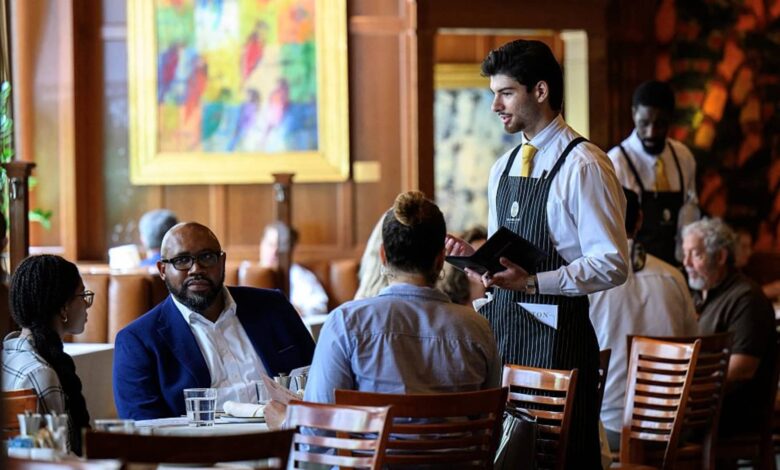
The latest trend in the restaurant industry is the rise of appetizers as the go-to choice for many consumers. Despite concerns about food inflation and affordability, Americans are still dining out but opting for more budget-friendly options like appetizers.
According to Jim Pazzanese, executive vice president of global strategic procurement at Buyers Edge Platform, appetizer orders have increased by 20% year over year, while entrees and desserts remain stagnant or even declining in popularity. This shift is evident in the sales data, with certain appetizers experiencing growth rates of over 30%.
Some of the top-growing appetizers include mozzarella sticks (up 36%), pickle chips (up 35%), cheese curds (up 33%), jalapeno poppers (up 20%), and cheese bites (up 17%). This trend has led Pazzanese to dub the current restaurant landscape as the “appetizer economy.”
One of the reasons for the surge in appetizer orders is their association with promotions and drink specials, making dining out more affordable for consumers. Additionally, the purchase of frozen or shelf-stable appetizers helps restaurant operators reduce waste and manage unpredictable demands.
The shift towards appetizers is reflective of the larger economic trend known as the “K-shaped economy,” where spending habits differ between income groups. While the top 10% of consumers are willing to pay for novel products, the majority are turning to private label brands to save money amidst food inflation.
Private label brands have seen a surge in popularity in recent years, with consumers increasingly opting for these affordable alternatives over national brands. Retailers like Albertsons, Costco, and Kroger have expanded their private label offerings to cater to this growing demand.
Despite some relief from inflation expected in the spring, the food supply chain issues and tariffs continue to impact prices in the food industry. Consumers may have to wait for some time before seeing significant price reductions in perishable items like meat, poultry, fish, and eggs.
In conclusion, the rise of appetizers and private label brands in the food industry reflects the current economic realities facing consumers. By offering more affordable options and adapting to changing consumer preferences, restaurants and retailers are navigating the challenges of food inflation and supply chain disruptions.