Former CDC Director says be wary of vaccine info on CDC website
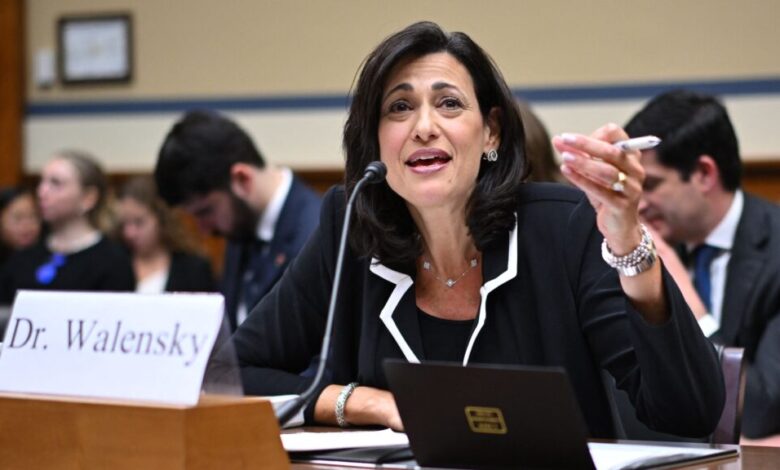
Former CDC Director Rochelle Walensky has expressed her dismay over the lack of trust in the agency’s vaccination information. In a recent media briefing in Boston, she cautioned the public to be cautious about the vaccine information available on the CDC website, noting that it may not reflect the views of subject matter experts within the agency.
Walensky emphasized the importance of seeking information from reliable sources such as medical societies like AAP, ACOG, and the Infectious Disease Society of America, rather than relying solely on the CDC’s website. She highlighted the shift in consistency between the CDC and these medical organizations, attributing it to the influence of vaccine skeptics on the CDC’s content.
The briefing was organized by Senator Edward Markey following a controversial Senate hearing featuring Health and Human Services Secretary Robert F. Kennedy Jr. Markey, along with Democratic politicians, former CDC directors, medical organizations, and other groups, called for Kennedy’s resignation due to his dissemination of misinformation about vaccines.
During the hearing, Kennedy criticized the CDC’s handling of the Covid pandemic, labeling the agency as “corrupt” and accusing its leaders of negligence. In response to these allegations, an HHS spokesperson defended Kennedy’s commitment to evidence-based science and the need for reform within the CDC.
Walensky, reflecting on her tenure as CDC director, acknowledged the challenges she faced in navigating public pressure and making difficult decisions during the pandemic. She highlighted the agency’s successful vaccination efforts, which saved millions of lives, and warned against the erosion of trust in vaccine programs due to political disagreements.
She expressed particular concern about the potential impact on the Vaccines for Children Program, which provides free access to vaccines for under- and uninsured children. With the program now under review by a panel with anti-vaccine biases, Walensky warned of the consequences of limiting vaccine access and the potential loss of lives.
Despite the political divisions surrounding vaccines, Walensky emphasized the importance of vaccination, citing that 92% of parents still choose to vaccinate their children. She urged for unity in prioritizing the health and safety of children, emphasizing the need to protect them from preventable diseases.
As the debate over vaccine policies continues, Walensky’s message serves as a reminder of the critical role that vaccination plays in safeguarding public health. By seeking information from trusted sources and fostering consensus on vaccination, we can work towards a healthier future for all.